Skip to content
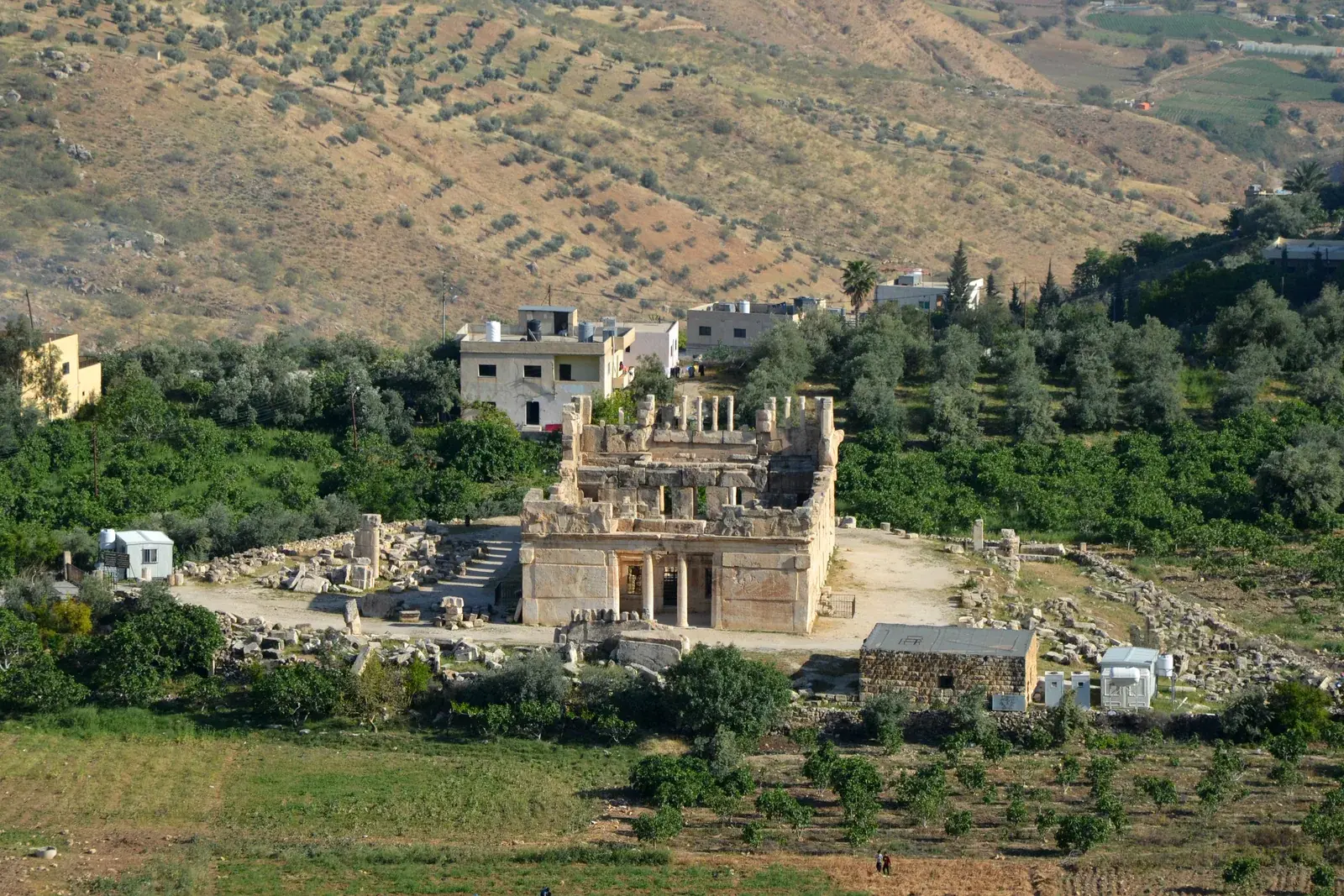
The reconstructed facade of Qasr al-Abd at Iraq al-Amir, a Hellenistic palace of massive carved limestone blocks in a green valley west of Amman, Jordan
Destination guide

Iraq al-Amir (Qasr al-Abd), Jordan: Hellenistic Palace Guide

A Hellenistic-era palace of massive carved limestone blocks in a green valley just west of Amman

Overview

About Iraq al-Amir

Iraq al-Amir is a village in the Wadi as-Sir area of Amman Governorate, a short drive west of the capital, best known for Qasr al-Abd ("Castle of the Servant"), one of the few surviving examples of Hellenistic palace architecture anywhere in Jordan. Built from massive white limestone blocks — some reportedly several metres long — with carved reliefs of lions and other animals on its outer walls, it's traditionally attributed to Hyrcanus, a member of the influential Tobiad family and governor of Ammon, based on the historian Josephus's account; archaeology hasn't independently confirmed this on the building itself, but it remains the standard scholarly attribution, and nearby rock-cut caves bear an inscription naming "Tobiah," tying the site to the same family named in Josephus and the Hebrew Bible. Most sources date the palace to the early 2nd century BCE, and it was left unfinished — its upper floor incomplete — probably when Hyrcanus died around 175 BCE. Josephus describes it surrounded by a great water-filled moat; modern excavation confirms a large pool around the structure, though researchers disagree on whether it was defensive, a reflecting pool for a pleasure palace, or part of a planned mausoleum. The site was extensively surveyed and partly re-erected by a French-Jordanian team from the late 1970s through the 1980s, and Jordan's tourism ministry added paths and visitor facilities in 2018. Nearby, a local women's cooperative keeps traditional papermaking, weaving and ceramics alive, and caves in the surrounding cliffs show traces of occupation from the Copper Age through a Byzantine-era cave church. It's a compact, easy half-day trip from Amman, best combined with a relaxed pace rather than a rushed stop.

Highlights

Top things to do in Iraq al-Amir

01

Qasr al-Abd, "Castle of the Servant"

One of the few surviving examples of Hellenistic palace architecture in Jordan, built of massive white limestone blocks, some reportedly several metres long, carved with reliefs of lions and other animals on the outer walls.
02

A Tobiad palace, by tradition

The historian Josephus attributes the palace to Hyrcanus, a member of the powerful Tobiad family and governor of Ammon. Archaeology hasn't independently confirmed this on the building itself, but it remains the standard scholarly view.

03

Left unfinished

Construction stopped with the upper floor incomplete, probably when Hyrcanus died around 175 BCE — look for unfinished carving and masonry as you walk the site.

04

A contested "lake palace" theory

Josephus describes a great water-filled moat around the palace, and excavation confirms a large surrounding pool. Whether it was defensive, a reflecting pool for a pleasure palace designed to appear to float, or part of a planned mausoleum is genuinely disputed among researchers.

05

The nearby "Tobiah" inscription

Rock-cut caves near the palace bear an inscription naming "Tobiah," among the few surviving direct epigraphic links to the Tobiad family named in Josephus and the Hebrew Bible.

06

Decades of French-Jordanian restoration

A joint French and Jordanian team led by Ernest Will and François Larché, working with Jordan's Department of Antiquities, surveyed and partly re-erected the fallen stone blocks between 1976 and 1987.

07

A living-heritage women's cooperative

A local cooperative near the site keeps traditional crafts alive — handmade paper, weaving and ceramics — a hands-on complement to the ruins themselves.

08

Caves spanning millennia

The surrounding cliffs hold caves occupied from the Copper Age onward, plus a Byzantine-era cave church, reflecting a long, intermittent history of settlement around the valley.

FAQ

Iraq al-Amir: frequently asked questions

Everything you need to know before you go. Can’t find an answer? Get in touch and we’ll help.

  • A Hellenistic-era palace built of massive carved limestone blocks, traditionally attributed to Hyrcanus the Tobiad and dated to the early 2nd century BCE. It's one of the few surviving examples of Hellenistic palace architecture in Jordan.

Destinations

Continue your journey

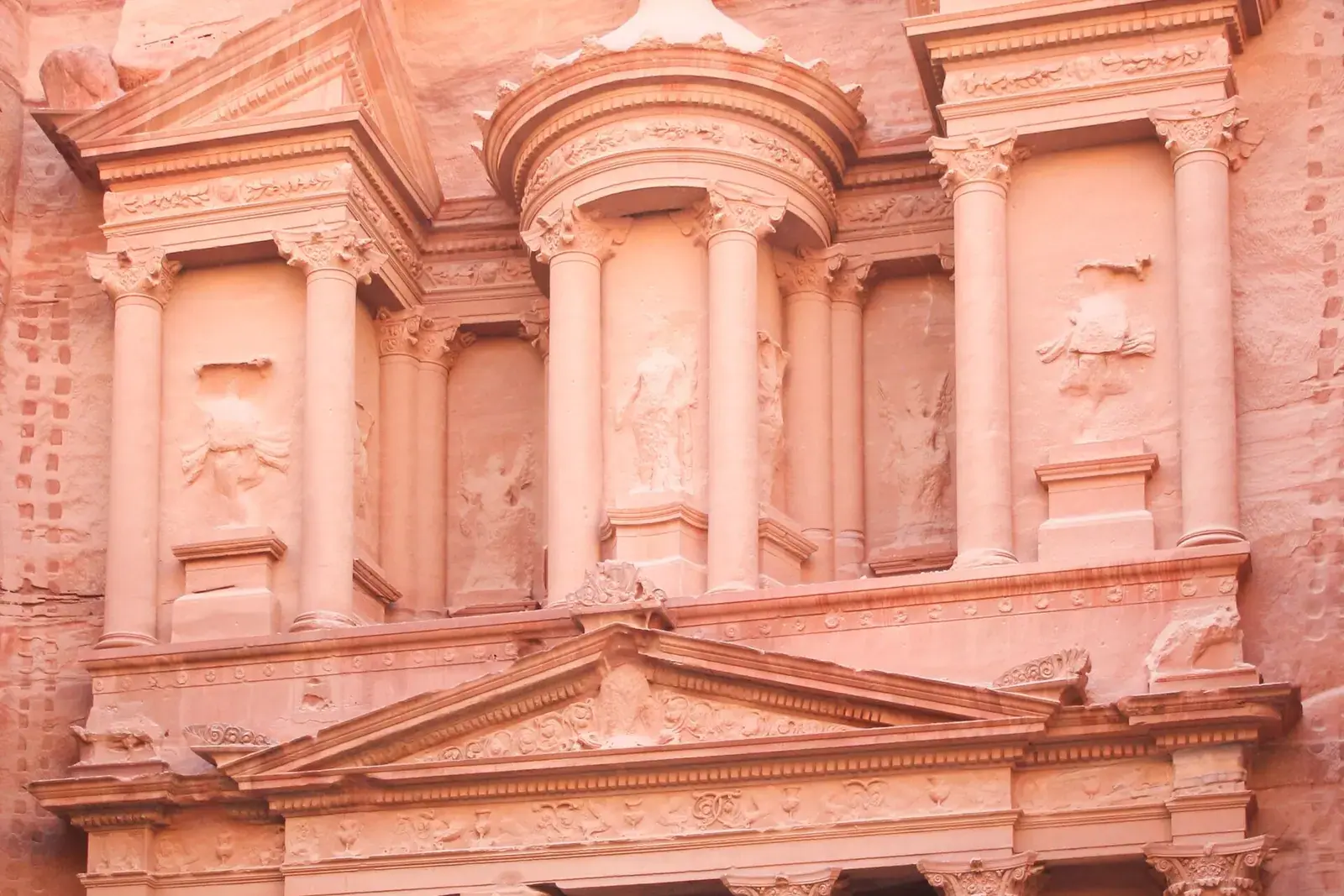
Petra

Petra

Tickets, opening hours, trails, and how to get there — everything you need to plan a day (or three) in the rose-red city

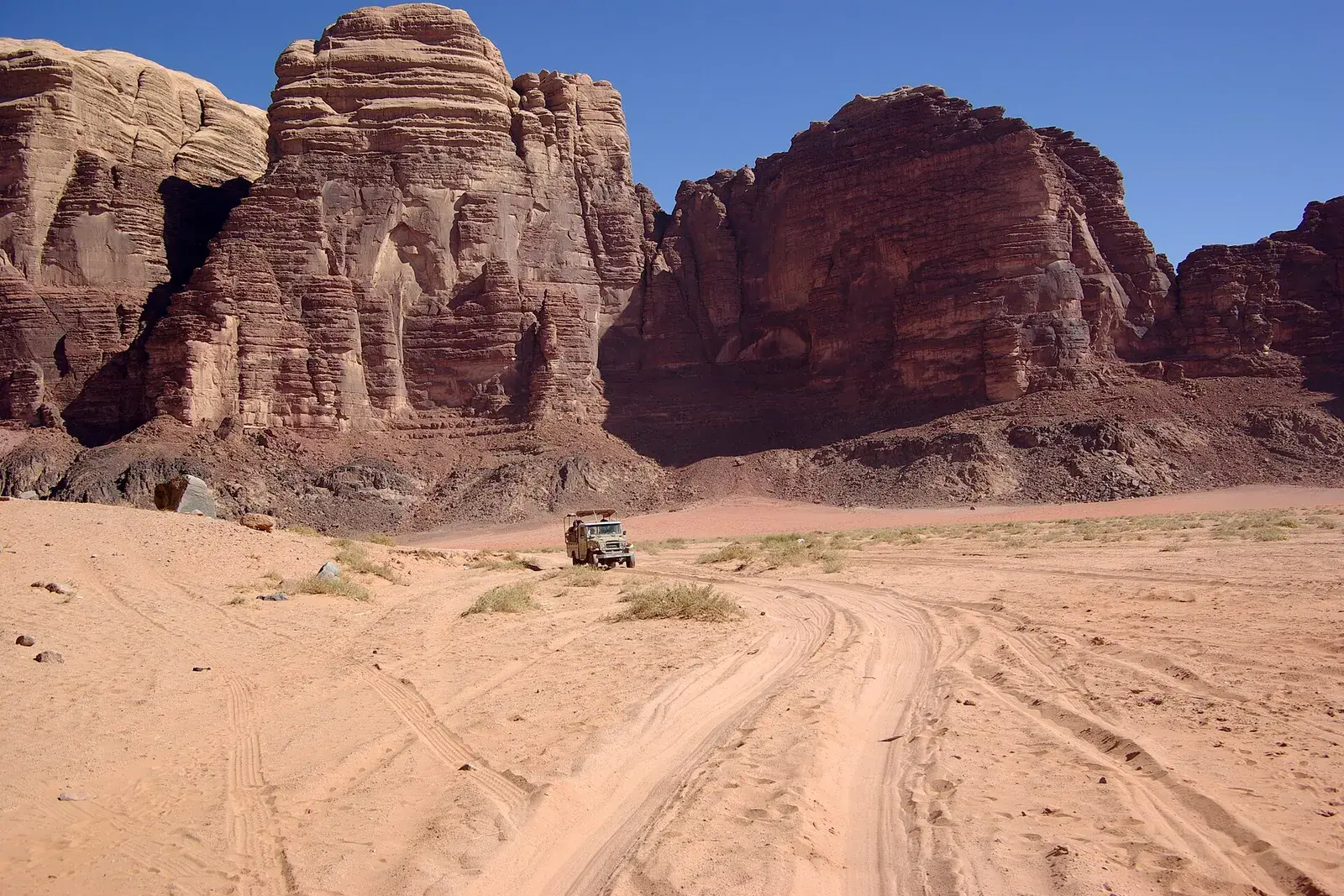
Wadi Rum

Wadi Rum

Red sand, sandstone mountains, Bedouin camps, and some of the clearest night skies in the Middle East

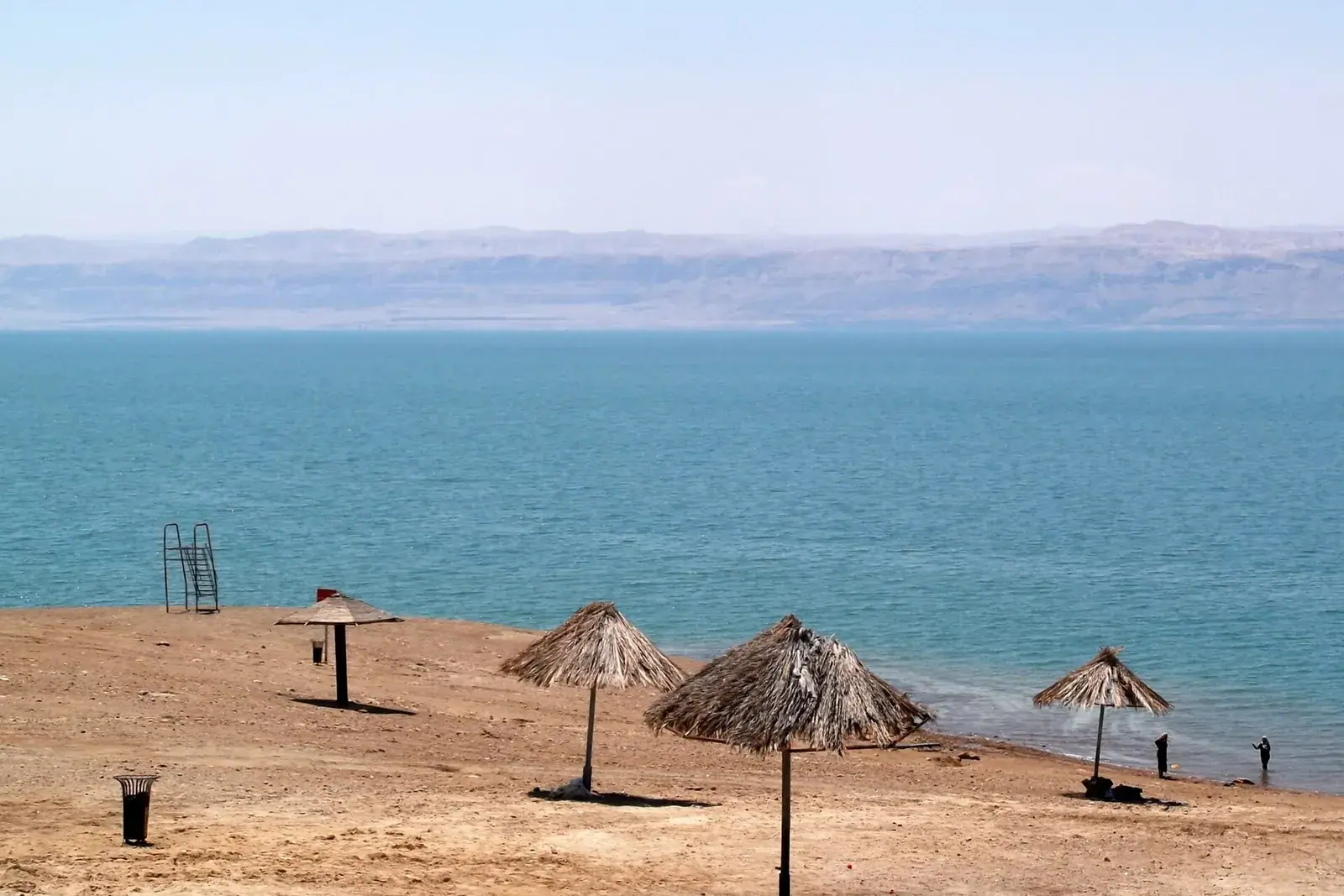
Dead Sea

Dead Sea

Float at the lowest point on land, about 430 metres below sea level — less than an hour from Amman

Make your plan

Plan your Iraq al-Amir trip

Build a day-by-day route through Iraq al-Amir and the rest of Jordan with our free trip planner.