Skip to content
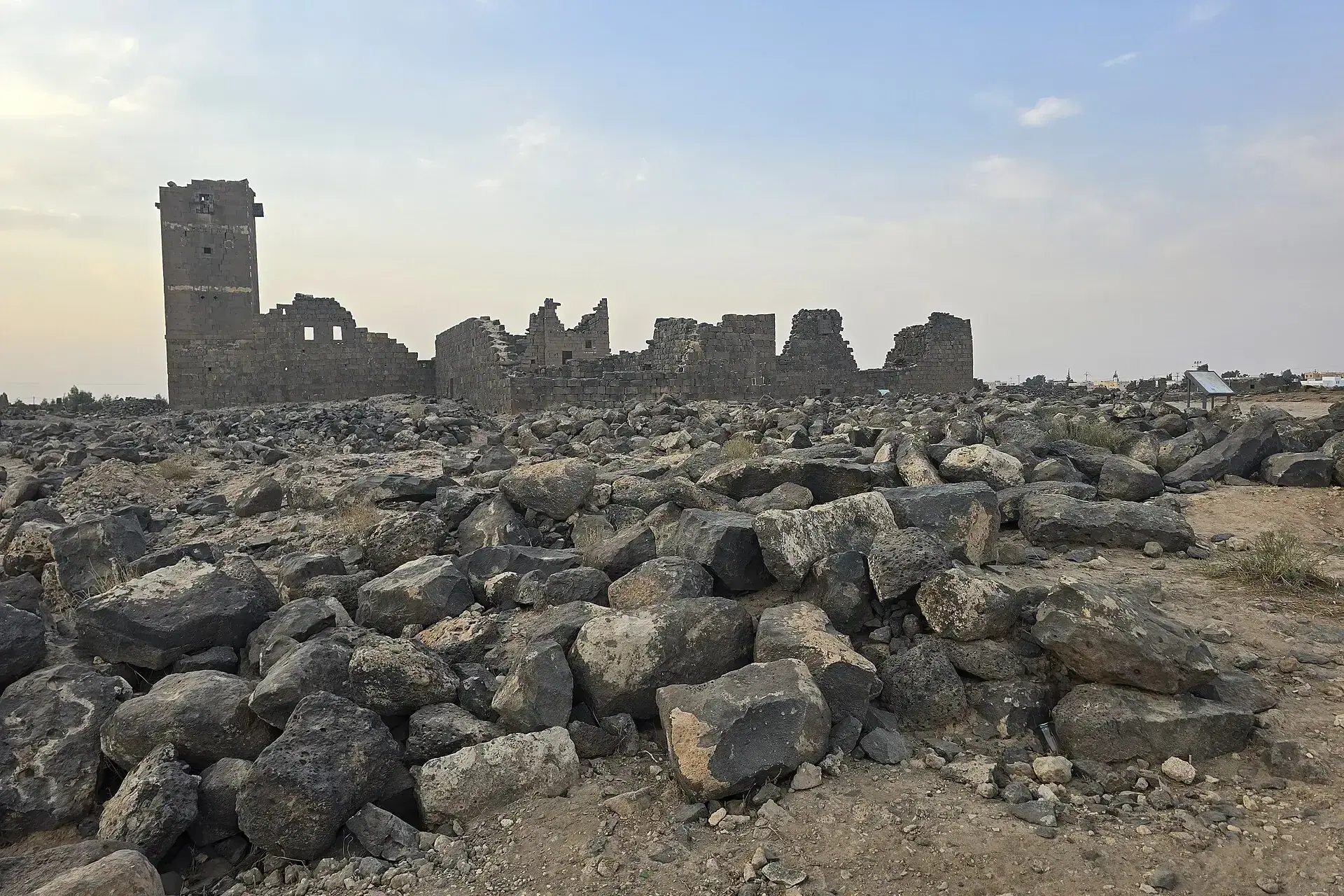
Basalt ruins and a stone tower at Umm el-Jimal, near Mafraq
Destination guide

Umm el-Jimal, Jordan: The Black Basalt Town

A Roman, Byzantine, and early Islamic farming town of black basalt on the edge of Jordan’s northern desert

Overview

About Umm el-Jimal

Umm el-Jimal is a remarkably complete ancient town built entirely of black basalt in the plains of north-eastern Jordan, and in 2024 it became the country’s seventh UNESCO World Heritage Site. It began as a Nabataean settlement, became a Roman military post, and flourished as a Byzantine and early Islamic farming and trading town between the 5th and 8th centuries. Unlike grand civic sites such as Jerash, Umm el-Jimal shows how ordinary people lived: more than 150 houses, many still two or three storeys high, cluster around courtyards and alleys alongside more than a dozen churches, a barracks with a tower, a praetorium, and large reservoirs. Builders used corbelled basalt beams to roof rooms without timber, which is why so much still stands. An interpretive trail with numbered stops and a small visitor centre help you find your way, and the local community offers basalt-carving workshops, Bedouin hospitality, and home-cooked meals. The site lies about 80 km from Amman, near Mafraq, roughly 1.5 hours by car, and is rarely busy.

Highlights

Top things to do in Umm el-Jimal

01

Basalt houses

Walk into multi-storey homes with stables on the ground floor, living rooms above, and stone staircases projecting from the walls. Look up at the ceilings to see corbelled basalt beams, a clever solution in a landscape with almost no timber. House XVII–XVIII is one of the best-preserved complexes.
02

The barracks and tower

A Roman and Byzantine barracks dominates the southern part of the town, with a tall corner tower added later. It is the most photographed building at the site. Climb only where it is clearly safe; floors and stairs are old.

03

Churches of Umm el-Jimal

More than a dozen churches have been identified, including the Double Church, the Cathedral, and the West Church with its striking arches. Together they show how the town became strongly Christian in the Byzantine period. Several still have standing arches and apses.

04

Praetorium and Commodus Gate

The praetorium was an administrative building of the Roman period, and the Commodus Gate carries an inscription naming the 2nd-century emperor. They are reminders of Umm el-Jimal’s role on the frontier of Roman Arabia. Your guide or trail leaflet will point out the inscriptions.

05

Reservoirs and water system

Channels and large reservoirs collected scarce winter rain to support the town and its farms through the dry season. The Great Reservoir is the largest. In wet winters it can still hold water.

06

Interpretive trail and visitor centre

A signed trail with around 33 numbered stops links the main buildings, and a small visitor centre displays finds and explains the town’s phases. Walk the full trail in two to three hours. There is little shade, so bring water and a hat.

07

Basalt carving and community experiences

Local groups, including a women-led heritage association founded in 2017, run basalt-carving and pottery workshops, Bedouin coffee visits, and meals such as mansaf and zarb cooked underground. Booking ahead supports local families directly. Ask for current contacts through a tour operator or the visitor centre.

FAQ

Umm el-Jimal: frequently asked questions

Everything you need to know before you go. Can’t find an answer? Get in touch and we’ll help.

  • Entry to Umm el-Jimal has historically been free or very low-cost, and it has not been one of the headline Jordan Pass sites. Fees may change following its UNESCO listing, so check the current situation before you go.

Plan with our guides

Practical guides for this trip

Further reading

Destinations

Continue your journey

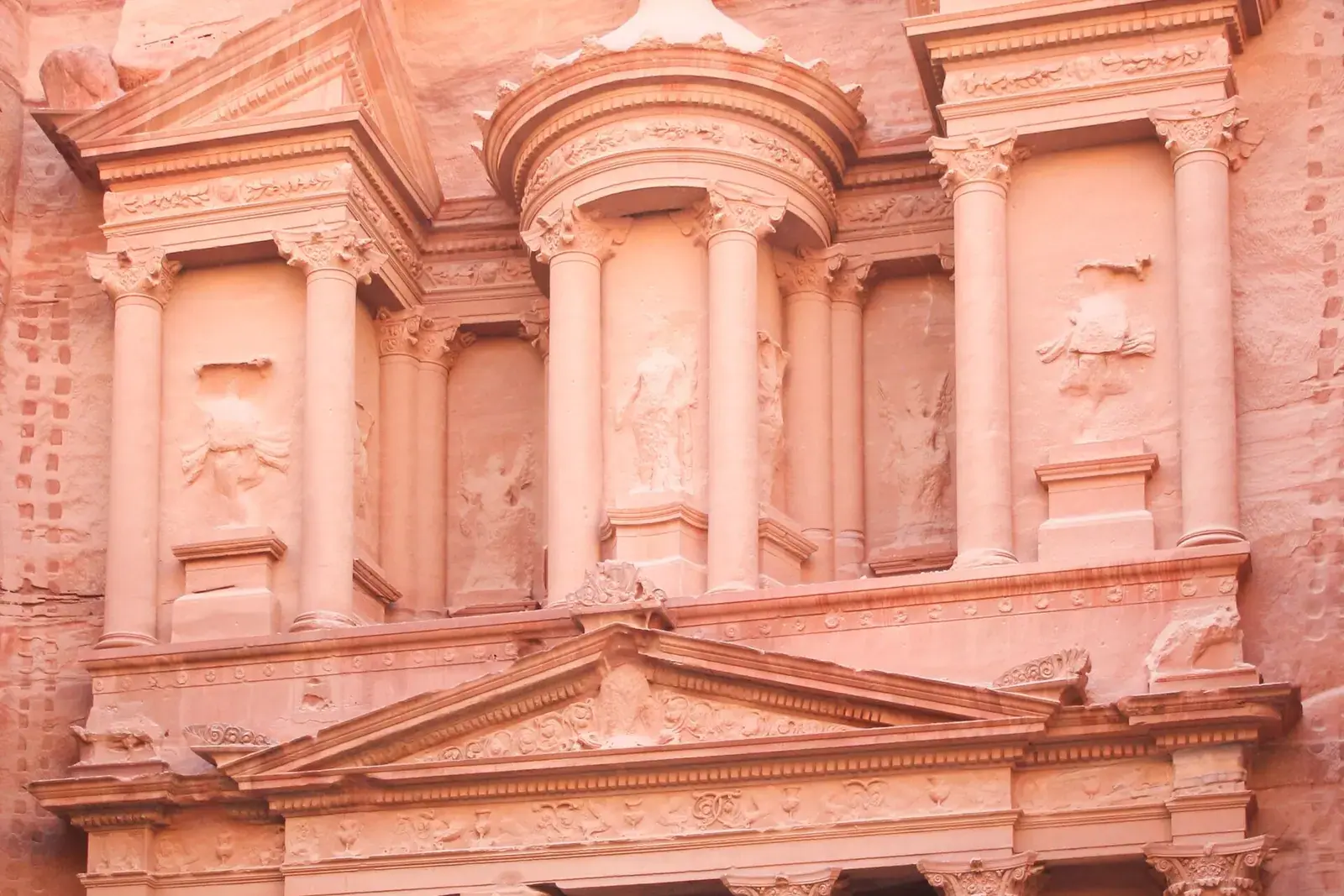
Petra

Petra

Tickets, opening hours, trails, and how to get there — everything you need to plan a day (or three) in the rose-red city

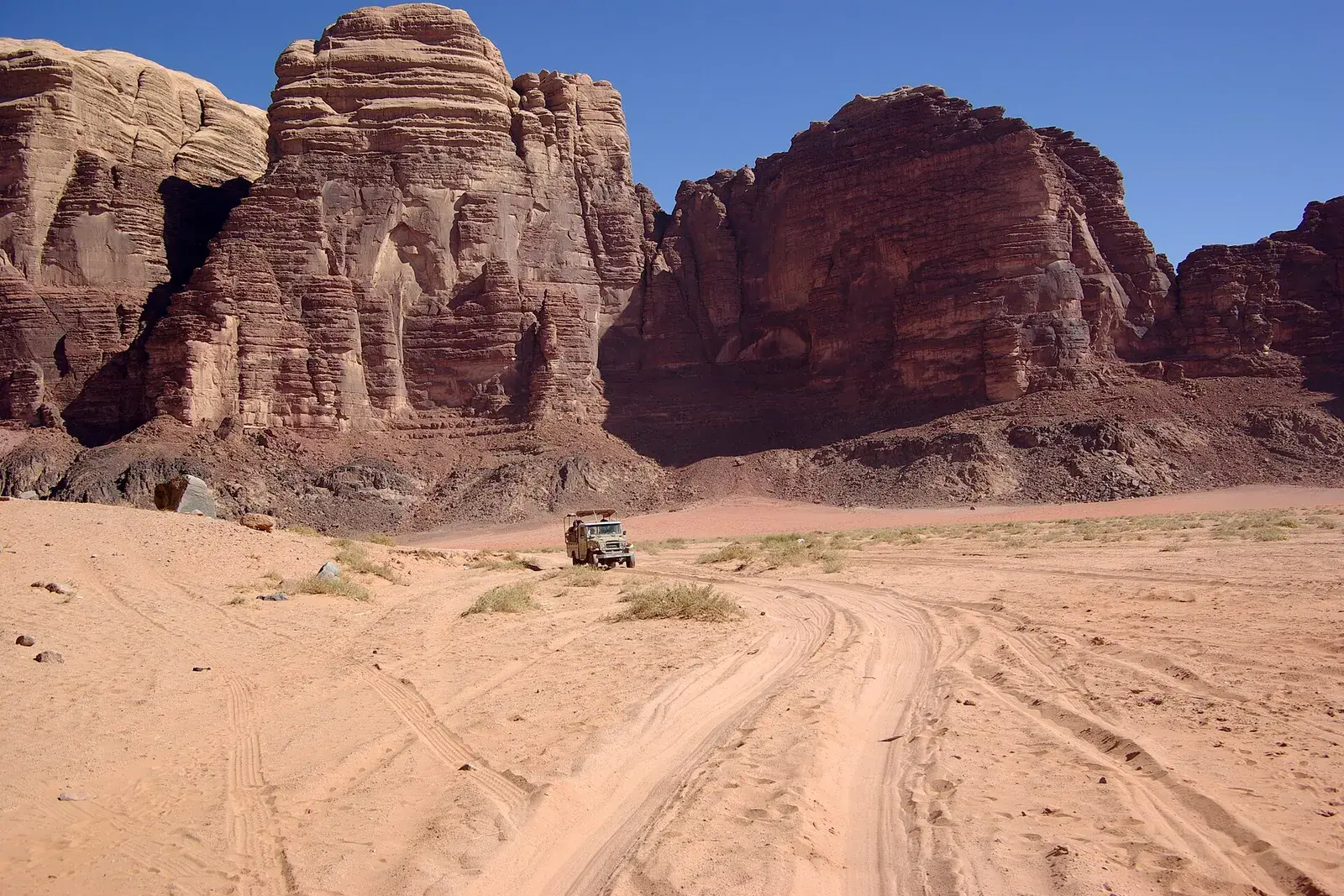
Wadi Rum

Wadi Rum

Red sand, sandstone mountains, Bedouin camps, and some of the clearest night skies in the Middle East

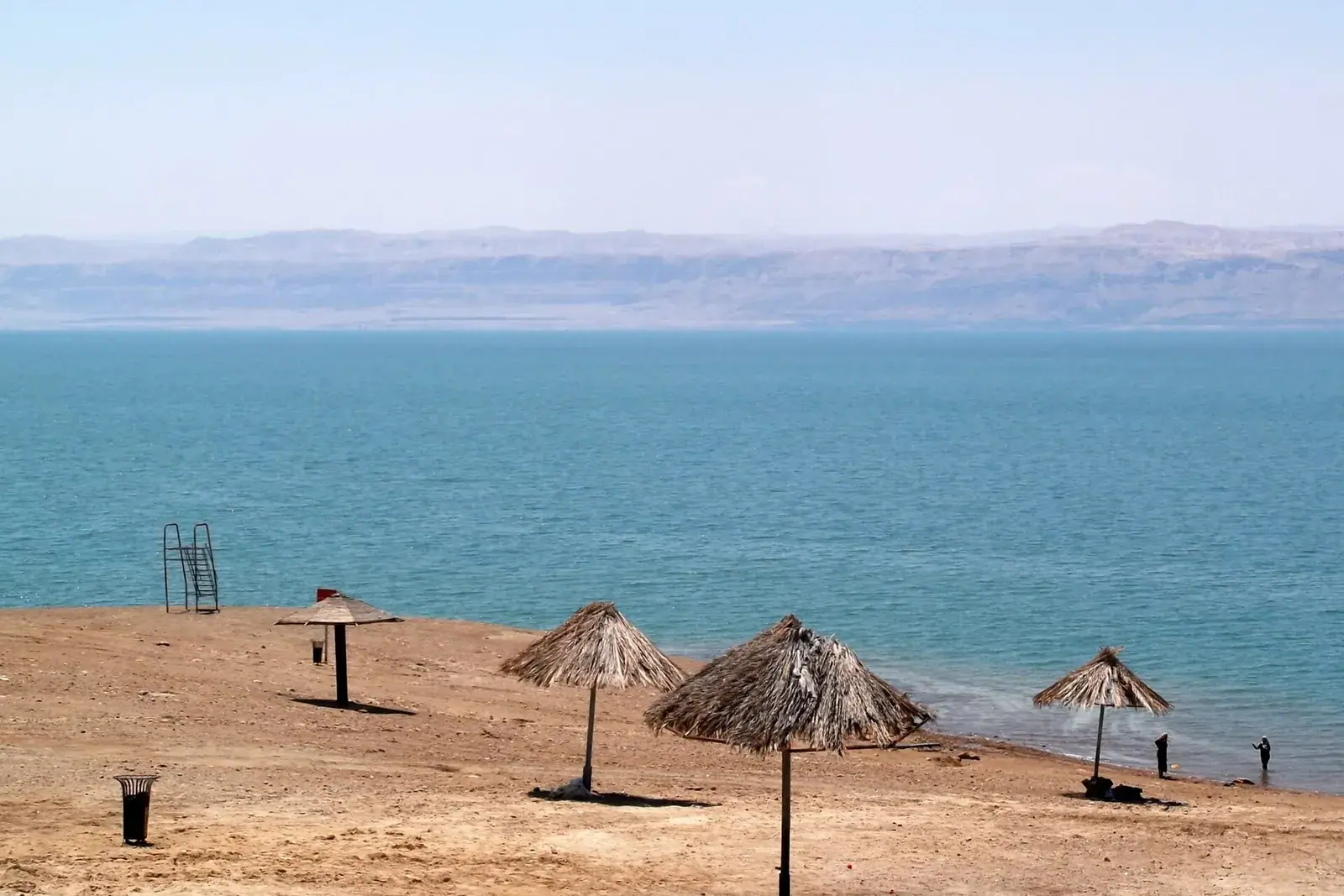
Dead Sea

Dead Sea

Float at the lowest point on land, about 430 metres below sea level — less than an hour from Amman

Make your plan

Plan your Umm el-Jimal trip

Build a day-by-day route through Umm el-Jimal and the rest of Jordan with our free trip planner.