Skip to content
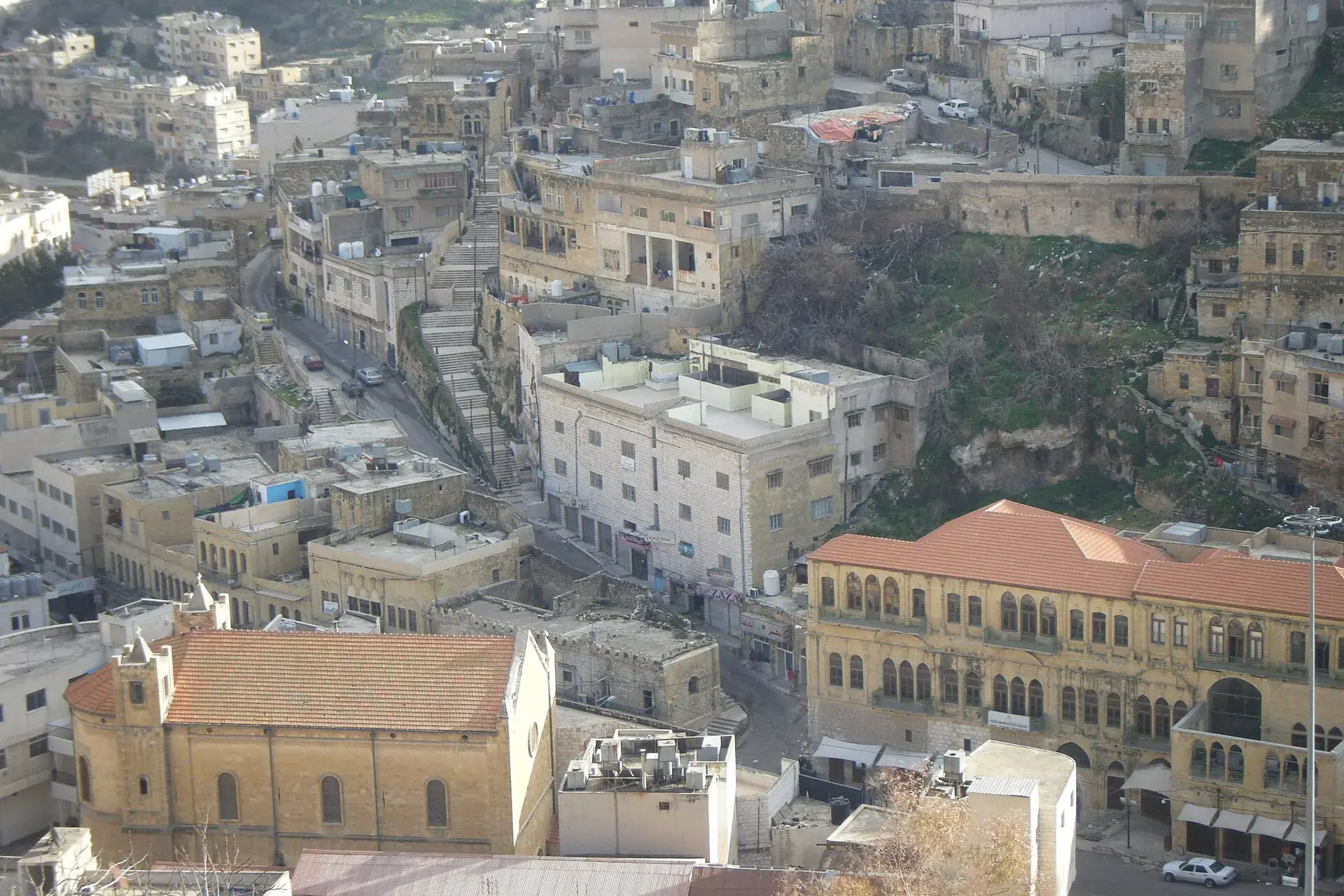
The hillside old town of As-Salt with its Latin church and Ottoman-era stone houses
Destination guide

As-Salt, Jordan: UNESCO Old Town Walking Guide

Honey-coloured stone houses, stepped lanes, and a living tradition of tolerance, 40 minutes from Amman

Overview

About As-Salt

As-Salt is a hillside town of golden limestone houses just north-west of Amman, and since 2021 it has been a UNESCO World Heritage Site, recognised as a place of tolerance and urban hospitality. In the late Ottoman period, merchants from Nablus, Damascus, and Lebanon settled here and grew rich on trade and farming, and the craftsmen they hired built the arched windows, domed rooms, and grand family mansions that still climb its three hills. As-Salt was the leading town east of the Jordan before Amman grew, and Muslim and Christian families have long lived side by side, sharing neighbourhoods, lanes, and even shrines. Today the best things to do in As-Salt are on foot: wander the pedestrian Hammam Street souk, visit Abu Jaber House and its museum, follow the Religious Harmony Trail past mosques and churches, and climb stairways to rooftop viewpoints. Lunch on street food and sweets. The town is only about 30 km from Amman, roughly 40 minutes by car, which makes it an easy half day that few foreign visitors take.

Highlights

Top things to do in As-Salt

01

Hammam Street

As-Salt’s oldest and busiest lane winds along the hillside between Ottoman-era stone buildings, named after a former Turkish bath. Shops sell spices, sweets, olives, and household goods, and it is the best place for falafel and a glass of tea. Mornings are liveliest.
02

Abu Jaber House

A grand late-Ottoman mansion with painted ceilings and arched windows, now home to the town’s historic museum. Displays cover trade, family life, and the merchants who built As-Salt. Pick up a map of the walking trails here.

03

Religious Harmony Trail

A walking route that links mosques, churches, and old houses where Muslim and Christian families have lived side by side for generations. Follow it with the map from Abu Jaber House or hire a local guide for the stories behind each stop. It is the clearest way to understand why UNESCO listed the town.

04

Al-Khader (St George) Church

A shrine built around a cave in the 17th century and still visited by both Christians and Muslims seeking blessings. It is small and atmospheric. Dress modestly and ask before taking photographs inside.

05

Stairways and viewpoints

Steep public stairways link the lanes and give rooftop views over the town’s honey-coloured houses. The climb up towards the old citadel hill is the most rewarding. Wear shoes with good grip, as the steps can be slippery.

06

As-Salt Archaeological Museum

A compact museum covering finds from the Chalcolithic era through the Bronze and Iron Ages to the Byzantine and Islamic periods. It is a good wet-weather stop and rarely busy. Check opening days, which can be irregular.

07

Great Mosque and Salt Secondary School

The Great Mosque is the town’s oldest, while Salt Secondary School, founded in 1923, was Jordan’s first secondary school and educated many of its early leaders. Both are reminders of As-Salt’s role before Amman became the capital. View the school from outside.

08

Shrines of the prophets

Just outside town, hilltop shrines are associated with the Prophet Joshua (Yusha) and, to the south-west, the Prophet Job (Ayyoub). They are quiet places of pilgrimage with wide views. Visit respectfully outside prayer times.

09

Local food and honey

As-Salt is known for its sweets, street snacks, and seasonal produce from the surrounding valleys. Some local families run beekeeping visits on nearby farms. Ask your guide or guesthouse to arrange one.

FAQ

As-Salt: frequently asked questions

Everything you need to know before you go. Can’t find an answer? Get in touch and we’ll help.

  • UNESCO inscribed As-Salt in 2021 as “the place of tolerance and urban hospitality”. It recognises the town’s late-Ottoman architecture and layout, built by a prosperous merchant community, and its long tradition of Muslims and Christians sharing neighbourhoods and social life.

Plan with our guides

Practical guides for this trip

Further reading

Destinations

Continue your journey

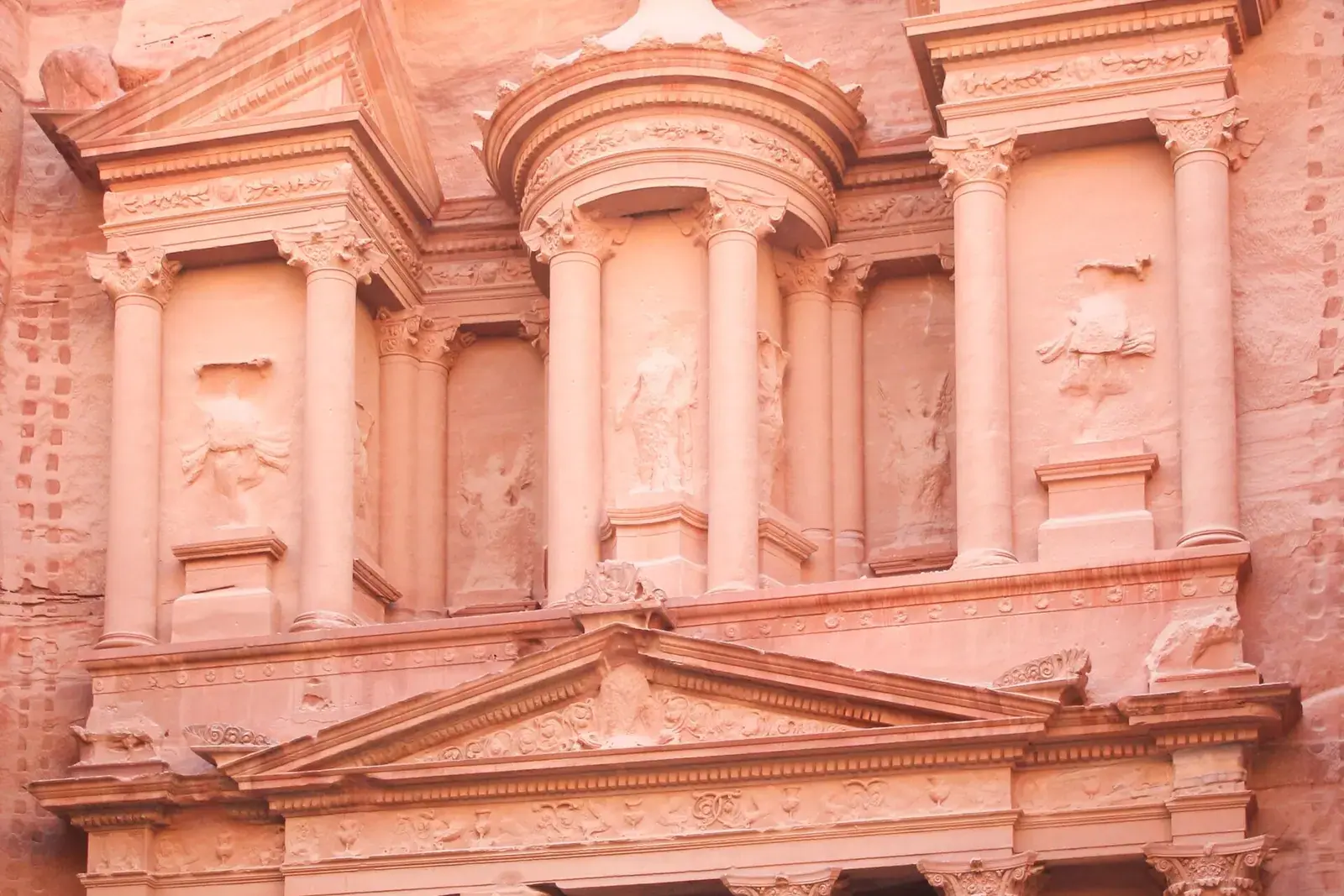
Petra

Petra

Tickets, opening hours, trails, and how to get there — everything you need to plan a day (or three) in the rose-red city

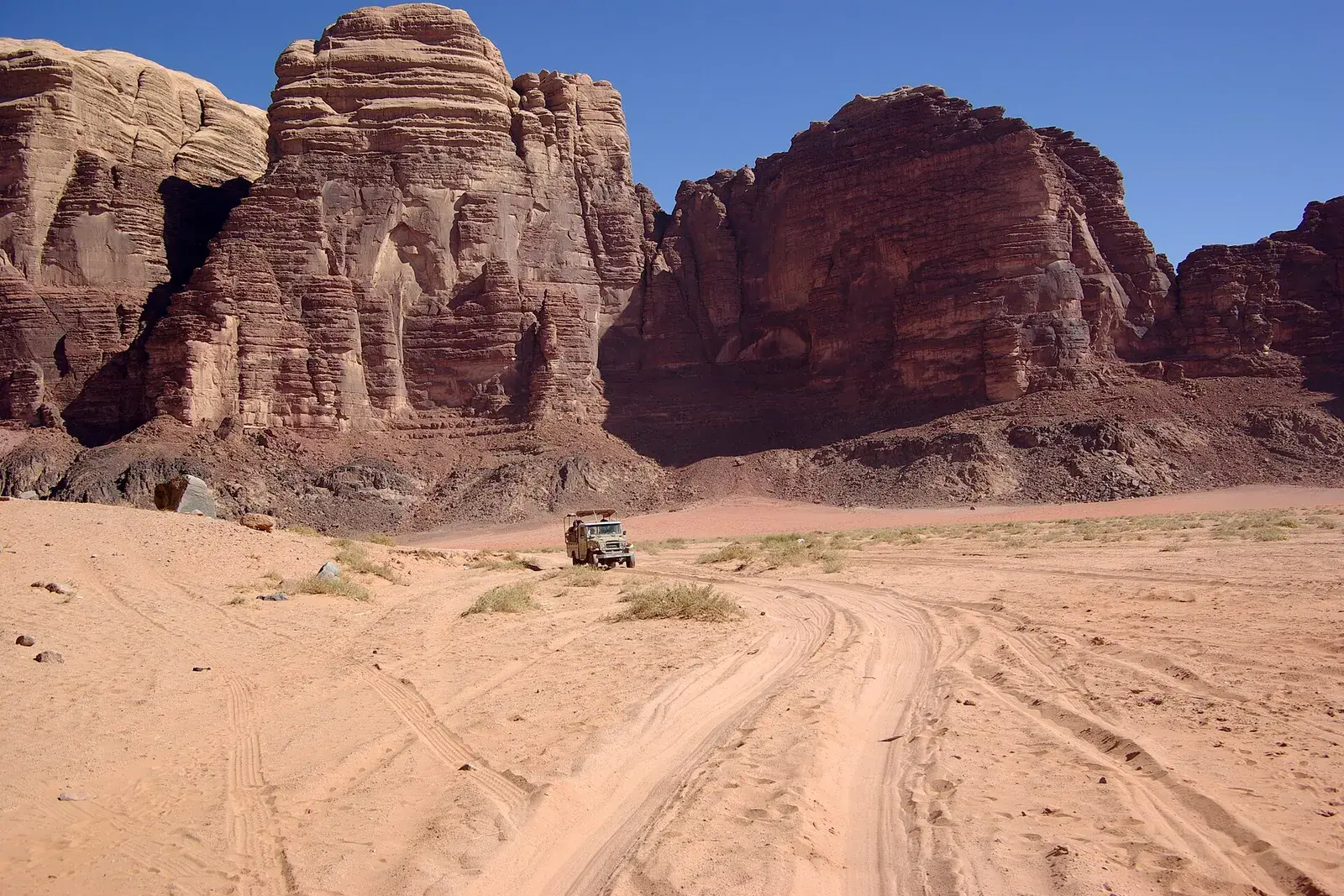
Wadi Rum

Wadi Rum

Red sand, sandstone mountains, Bedouin camps, and some of the clearest night skies in the Middle East

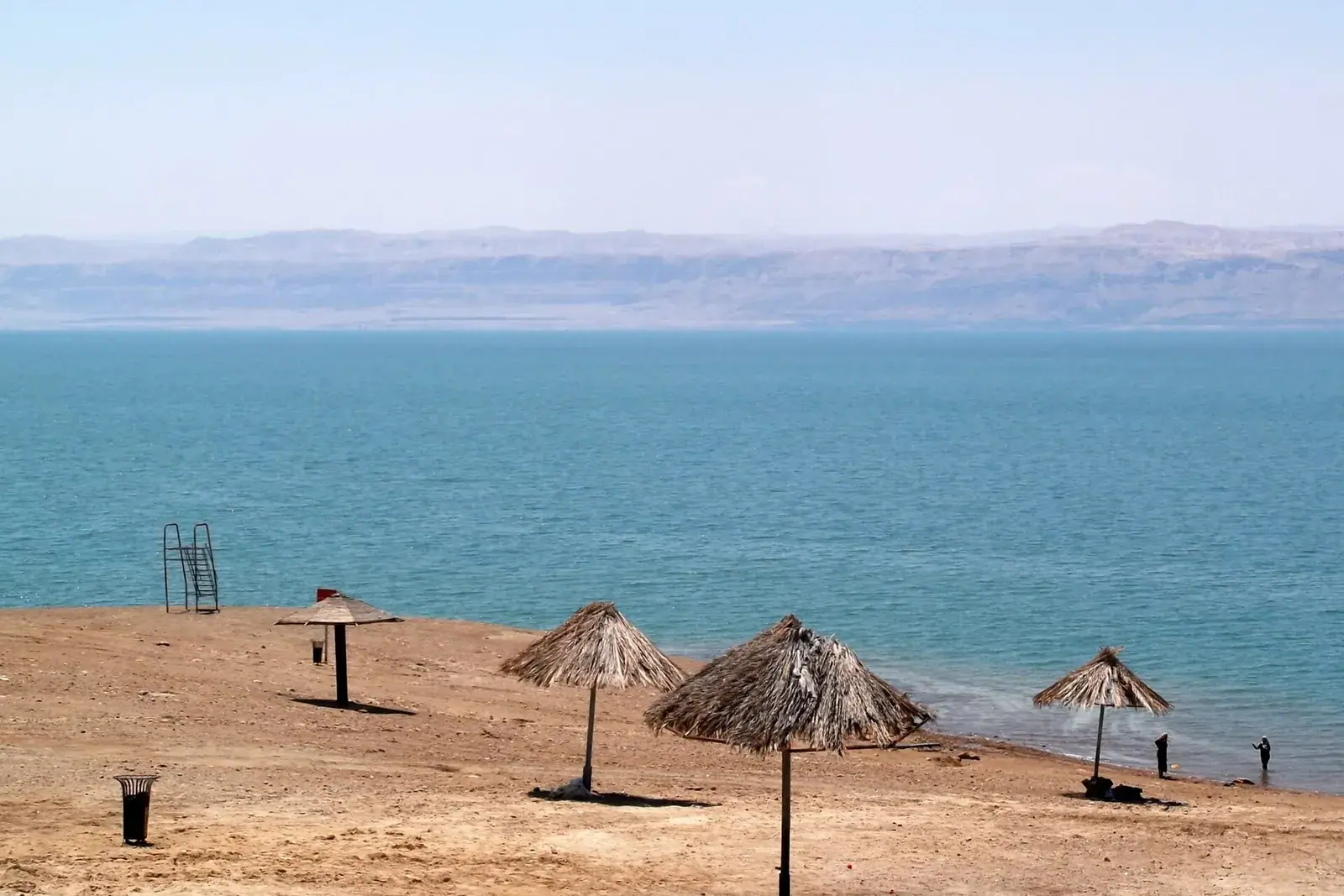
Dead Sea

Dead Sea

Float at the lowest point on land, about 430 metres below sea level — less than an hour from Amman

Make your plan

Plan your As-Salt trip

Build a day-by-day route through As-Salt and the rest of Jordan with our free trip planner.