Skip to content
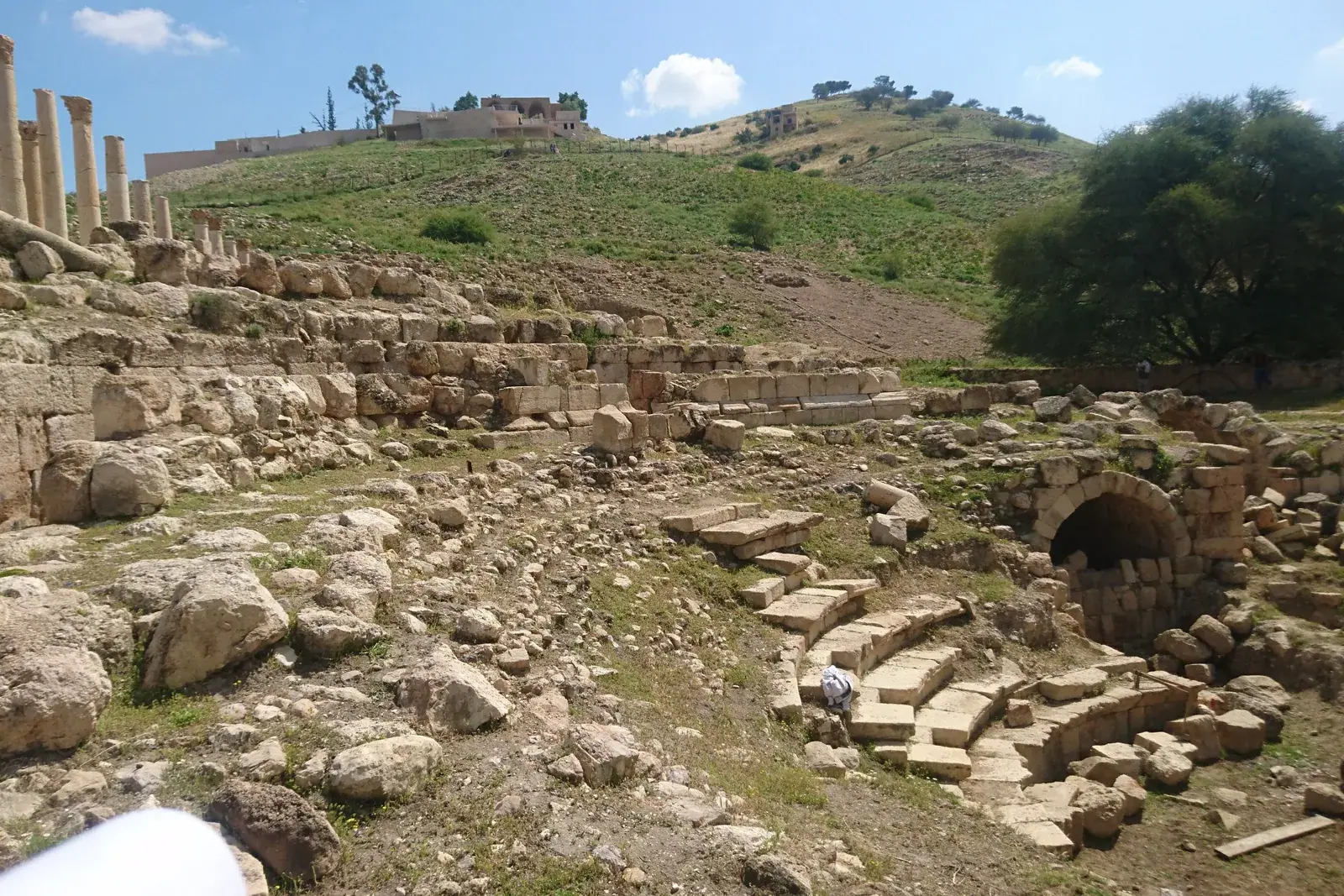
The excavated Roman odeon and colonnaded ruins of Pella (Tabaqat Fahl), overlooking the green hills of the Jordan Valley, Jordan
Destination guide

Pella (Tabaqat Fahl), Jordan: Decapolis City Guide

A Decapolis city occupied almost continuously since the Neolithic, overlooking the Jordan Valley

Overview

About Pella

Pella, known locally as Tabaqat Fahl, sits in the eastern foothills of the Jordan Valley in Irbid Governorate, and has one of the longest occupation records in the Levant: Wikipedia records housing here from around 6000 BCE, continuing almost without a break through the Chalcolithic, Bronze and Iron Ages into the Hellenistic, Roman and Byzantine periods, and on into early Islamic times until a major earthquake struck in 749 CE. The city is named in Egyptian execration texts from the 19th century BCE, among the earliest written references to any city in Transjordan, and it's consistently counted among the Decapolis, the loose grouping of Hellenistic-Roman cities that also included Jerash (Gerasa) and Umm Qais (Gadara), both a short drive away. Its Greek name echoes Pella in Macedonia, Alexander the Great's birthplace, though which ruler or settlers actually renamed it isn't settled history. Visible remains today span that whole history: Middle Bronze Age fortifications, a civic complex with a small Roman-period odeon, baths and a nymphaeum, and three triapsidal Byzantine churches — Pella had its own bishop by 451 CE. Umayyad-era stone houses on the main tell collapsed in place in the 749 earthquake, preserving household finds where they fell. The University of Sydney has run an excavation here since the late 1970s, one of the longest-running Australian-led digs in the Middle East. Pella is on Jordan's UNESCO Tentative List but has never been inscribed as a World Heritage Site. Spring and autumn are the most comfortable seasons; much of the site is open and exposed, with little shade, so bring sun protection and water outside those months.

Highlights

Top things to do in Pella

01

Nearly continuous occupation since the Neolithic

Housing at Pella dates back to roughly 6000 BCE, with occupation continuing almost without a break through the Bronze and Iron Ages and into the Hellenistic, Roman, Byzantine and early Islamic periods — one of the longest such records in the region.
02

Named in Egyptian execration texts

Pella (as Pihil/Pahil) appears in Egyptian texts from the 19th century BCE, among the earliest written references to any city east of the Jordan River.

03

A Decapolis city

Pella is consistently listed among the Decapolis, the loose grouping of Hellenistic-Roman cities in the region that also included Jerash (Gerasa) and Umm Qais (Gadara) — both an easy onward drive from here.

04

Named for Alexander's birthplace

The Greek name echoes Pella in Macedonia, Alexander the Great's birthplace — though historians still debate exactly who renamed the older Semitic town of Pihil/Fihl, and when.

05

Three Byzantine churches

The site preserves three triapsidal Byzantine churches — the West Church, a church within the civic complex (likely the cathedral), and the East Church — reflecting Pella's status as a bishopric by 451 CE.

06

A civic complex with a small Roman odeon

Excavations in the civic complex uncovered a market and workshop area, baths, a nymphaeum and a small odeon from the Roman period, built into the heart of the ancient city.

07

Umayyad houses frozen by the 749 earthquake

Two-storey Umayyad-era stone houses on the main tell collapsed where they stood when a major earthquake struck in 749 CE, preserving household finds in place until excavation.

08

Decades of Australian excavation

The University of Sydney has excavated at Pella since the late 1970s, with ongoing seasons into the 2020s — one of the longest-running Australian-led archaeological projects anywhere in the Middle East.

FAQ

Pella: frequently asked questions

Everything you need to know before you go. Can’t find an answer? Get in touch and we’ll help.

  • An ancient city in the Jordan Valley foothills, occupied almost continuously from around 6000 BCE until a major earthquake in 749 CE, and consistently counted among the Decapolis alongside Jerash and Umm Qais.

Destinations

Continue your journey

Petra

Petra

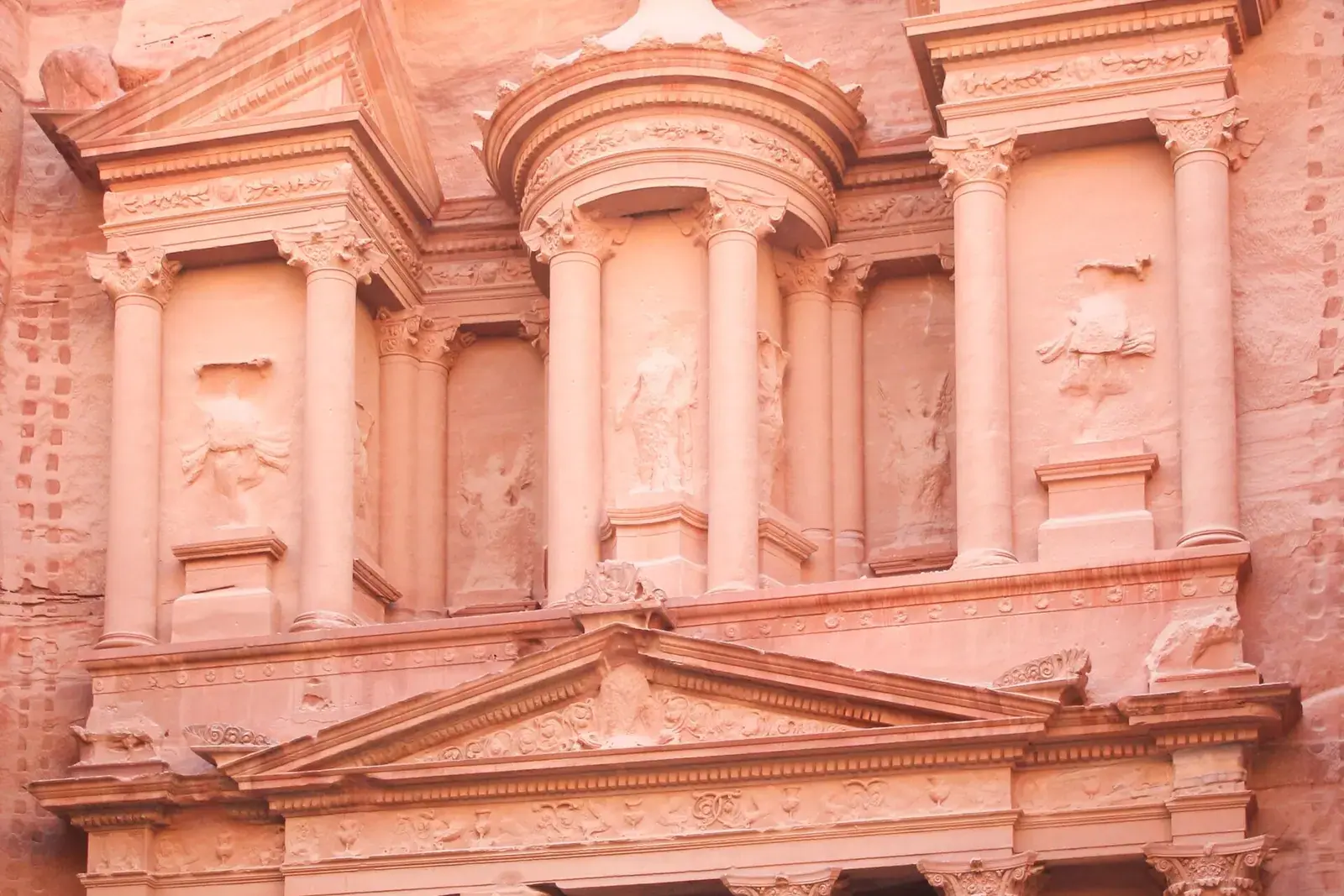
Tickets, opening hours, trails, and how to get there — everything you need to plan a day (or three) in the rose-red city

Wadi Rum

Wadi Rum

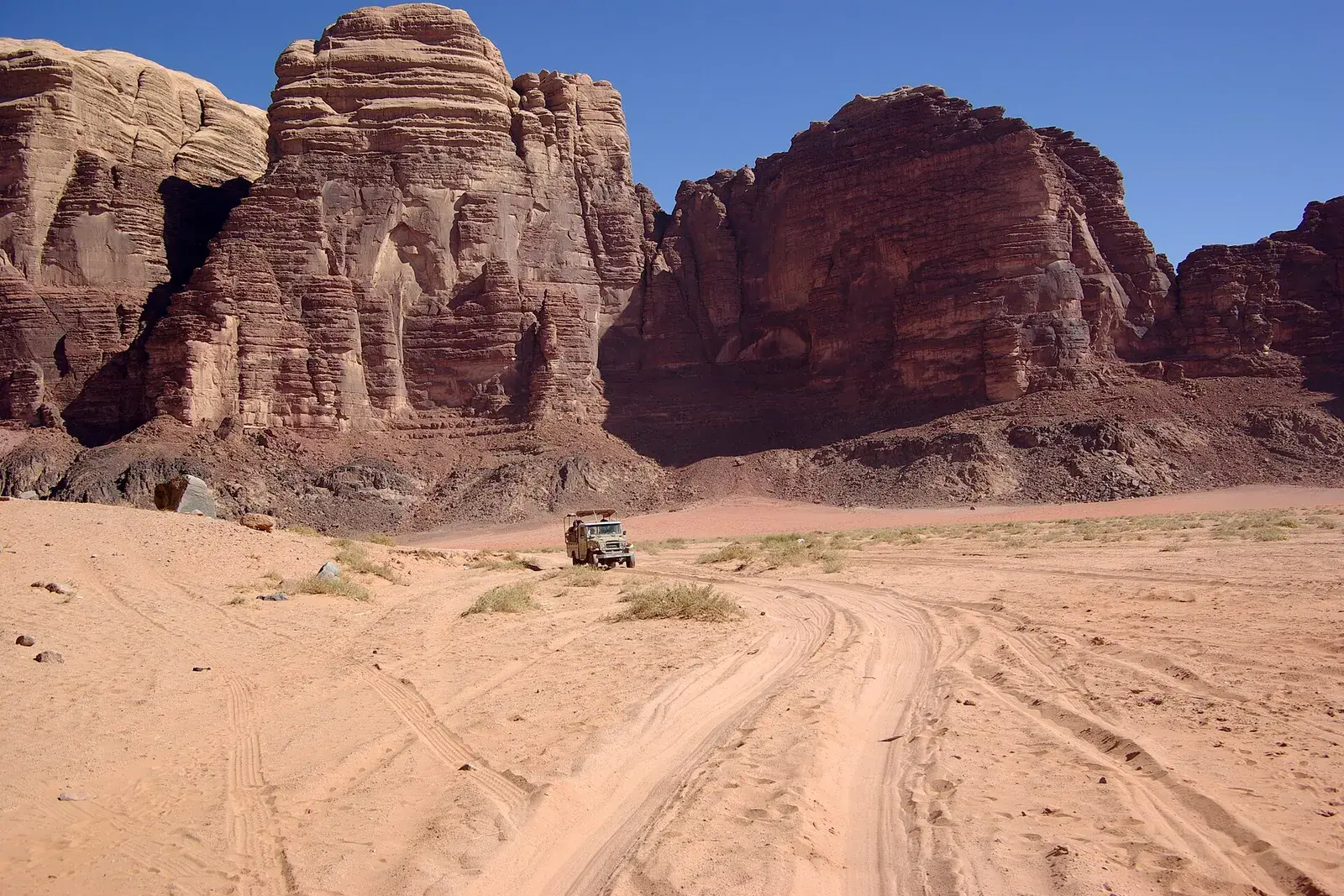
Red sand, sandstone mountains, Bedouin camps, and some of the clearest night skies in the Middle East

Dead Sea

Dead Sea

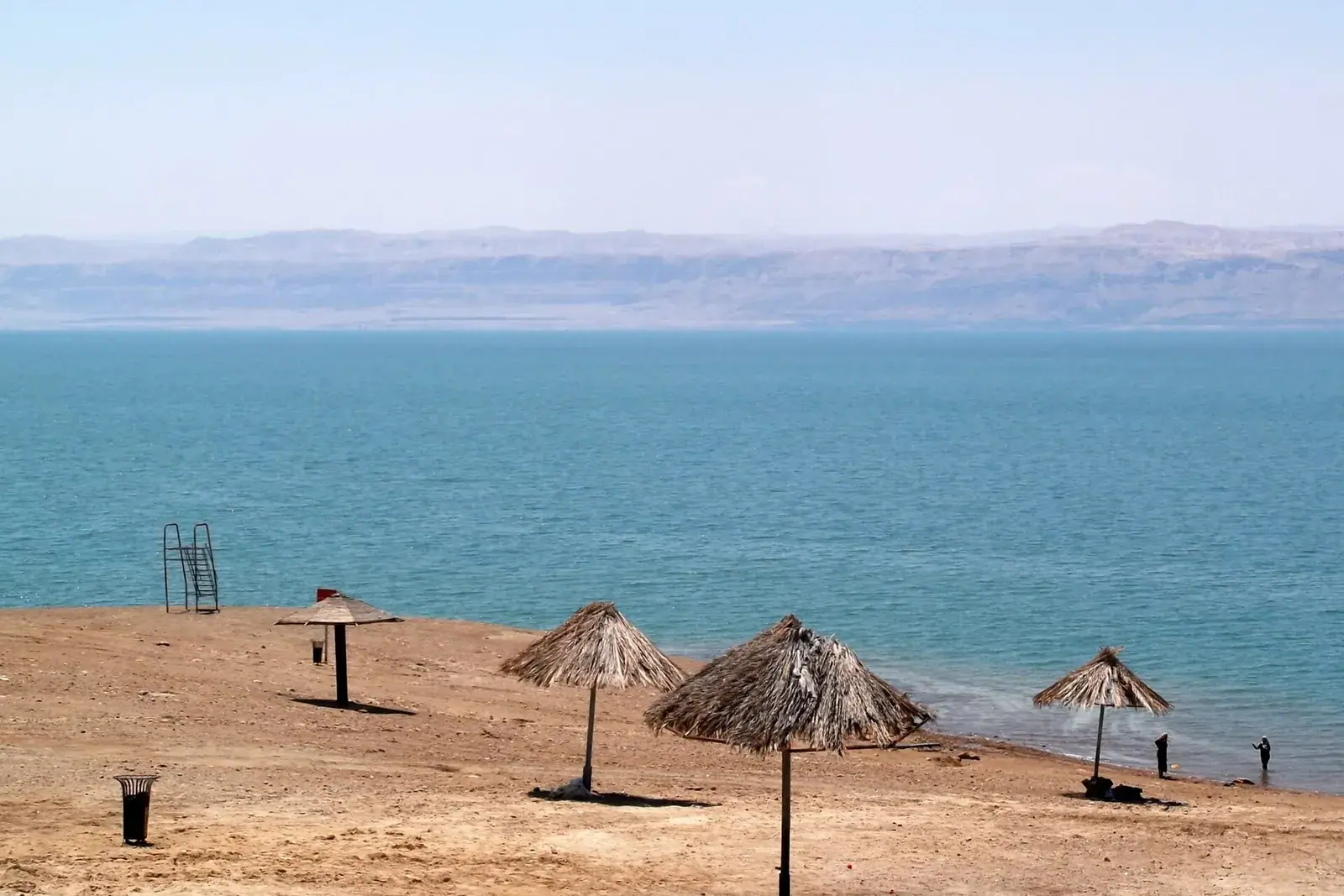
Float at the lowest point on land, about 430 metres below sea level — less than an hour from Amman

Make your plan

Plan your Pella trip

Build a day-by-day route through Pella and the rest of Jordan with our free trip planner.