01
Jordan's historic desert oasis
Azraq was historically the only permanent source of fresh water across roughly 12,000 km² of eastern desert, and the area has been occupied since the Lower Palaeolithic as a result.
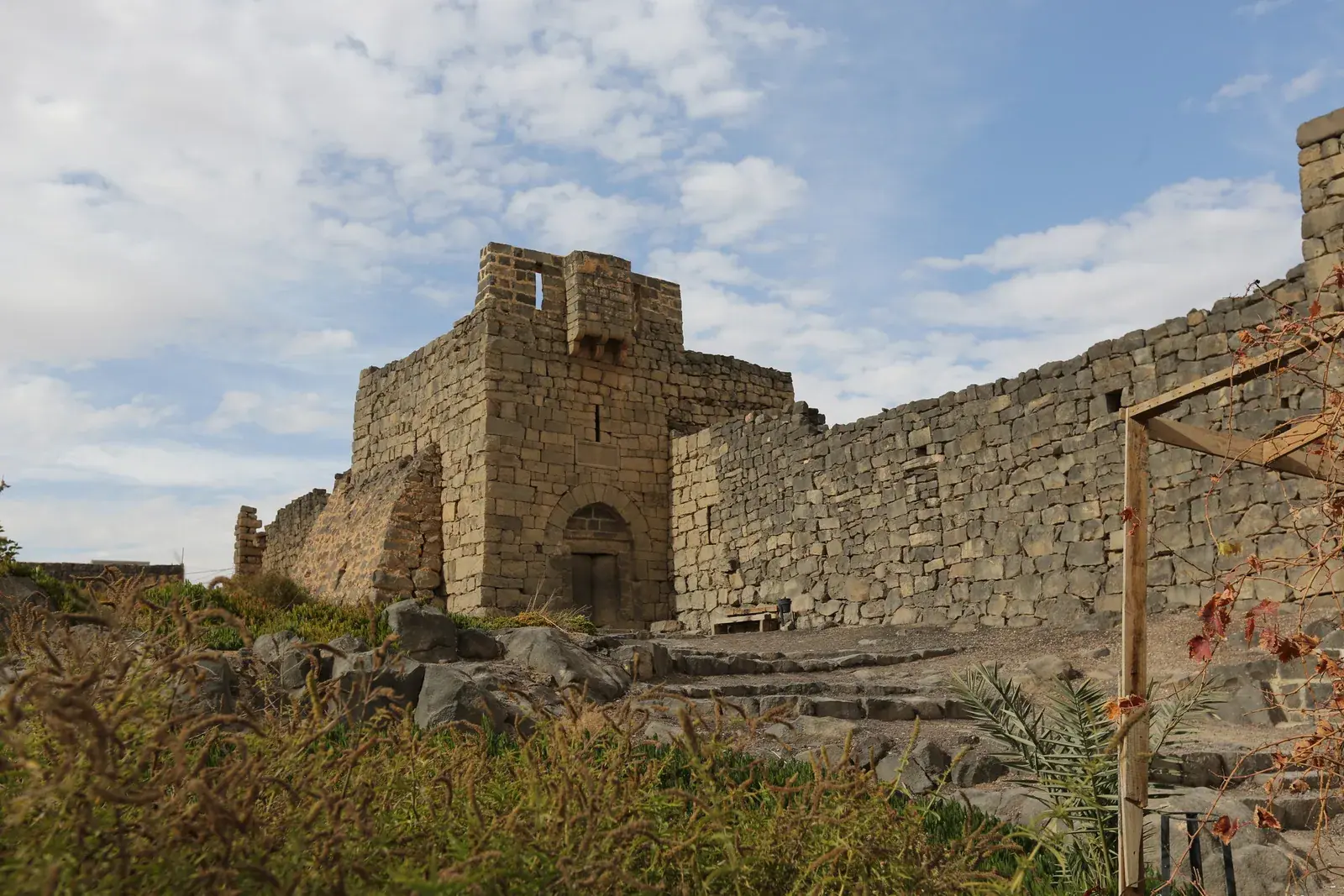
A desert oasis town pairing a Ramsar-listed wetland reserve with the black-basalt fort T.E. Lawrence used as his winter headquarters
Azraq sits about 100 km east of Amman in Zarqa Governorate, where two very different attractions share one small town. The Azraq Wetland Reserve protects what was historically the only permanent source of fresh water in roughly 12,000 km² of eastern desert, and the site has been occupied since the Lower Palaeolithic as a result. Decades of groundwater pumping to supply Amman, beginning in the 1960s, dried the springs almost completely by 1992 and collapsed bird numbers from an estimated 347,000 in 1967 to around 1,200 by 2000; Jordan's Ministry of Water Resources now pumps roughly 10 million cubic metres of water back into the reserve each year as a restoration measure, recovering only a fraction of its original extent. The oasis was formally recognised as Ramsar Wetland of International Importance Site No. 135 in 1977, and RSCN established it as a nature reserve in 1978, with a boardwalk marsh trail still open to visitors today. About 5 km north, Qasr al-Azraq (Azraq Castle) is a fort of black volcanic basalt with corner towers, built on a site with Roman-era origins and given its present form in a 1237 CE rebuild by the Ayyubid emir Izz ad-Din Aybak; an Ottoman garrison was later stationed there. Its best-known chapter is modern: T.E. Lawrence made it his winter headquarters during the 1917–18 Arab Revolt, working from a room above the entrance gatehouse, an episode he wrote about himself in Seven Pillars of Wisdom. This guide covers Azraq's wetland reserve and castle only — the separate cluster of Umayyad desert castles further west, including the UNESCO-listed Qusayr Amra, is covered on its own Desert Castles page.
Azraq was historically the only permanent source of fresh water across roughly 12,000 km² of eastern desert, and the area has been occupied since the Lower Palaeolithic as a result.
Formally designated Ramsar Wetland of International Importance Site No. 135 in 1977, with RSCN establishing the nature reserve itself the following year.
Groundwater pumping from the 1960s dried the springs almost completely by 1992, crashing bird numbers from roughly 347,000 (1967) to about 1,200 (2000); the Ministry of Water Resources now pumps an estimated 10 million m³/year back into the reserve to help restore it.
A self-guided wooden boardwalk trail lets visitors walk out into the restored marsh habitat without disturbing it, covered by the reserve's standard entrance fee.
Qasr al-Azraq is built almost entirely of dark volcanic basalt quarried locally, giving it a strikingly different look from the pale limestone castles elsewhere in Jordan.
The site has origins reaching back to the Roman period and was substantially rebuilt in 1237 CE under the Ayyubid emir Izz ad-Din Aybak, giving the fort its present layout.
During the 1917–18 winter of the Arab Revolt, Lawrence based himself at the fort, working from a room above the gatehouse — an episode recorded in his own account, Seven Pillars of Wisdom.
Spring (March–May) and autumn (September–November) migration bring the widest variety of species, with resident waterbirds present through winter as well.
Everything you need to know before you go. Can’t find an answer? Get in touch and we’ll help.
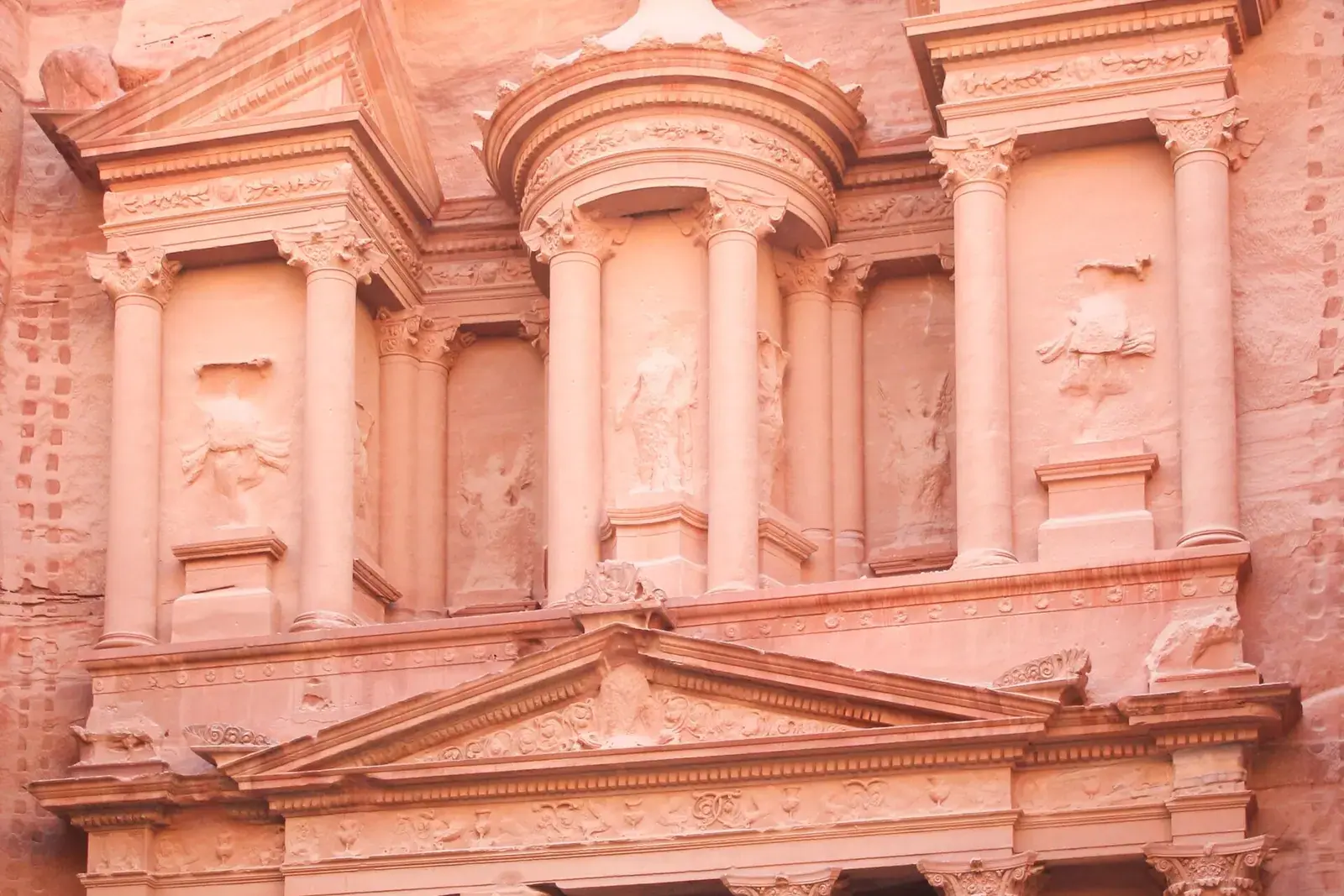
Tickets, opening hours, trails, and how to get there — everything you need to plan a day (or three) in the rose-red city
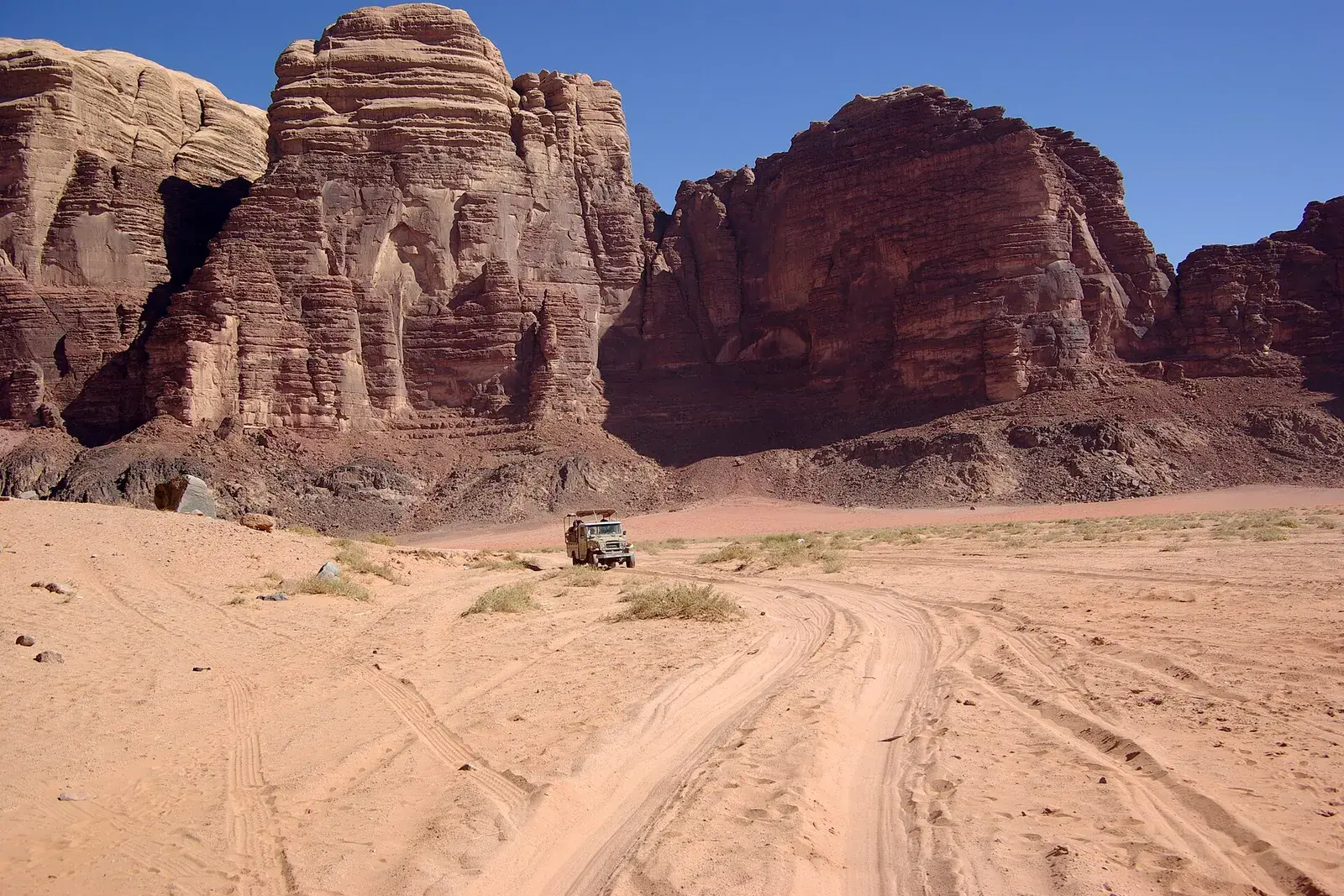
Red sand, sandstone mountains, Bedouin camps, and some of the clearest night skies in the Middle East
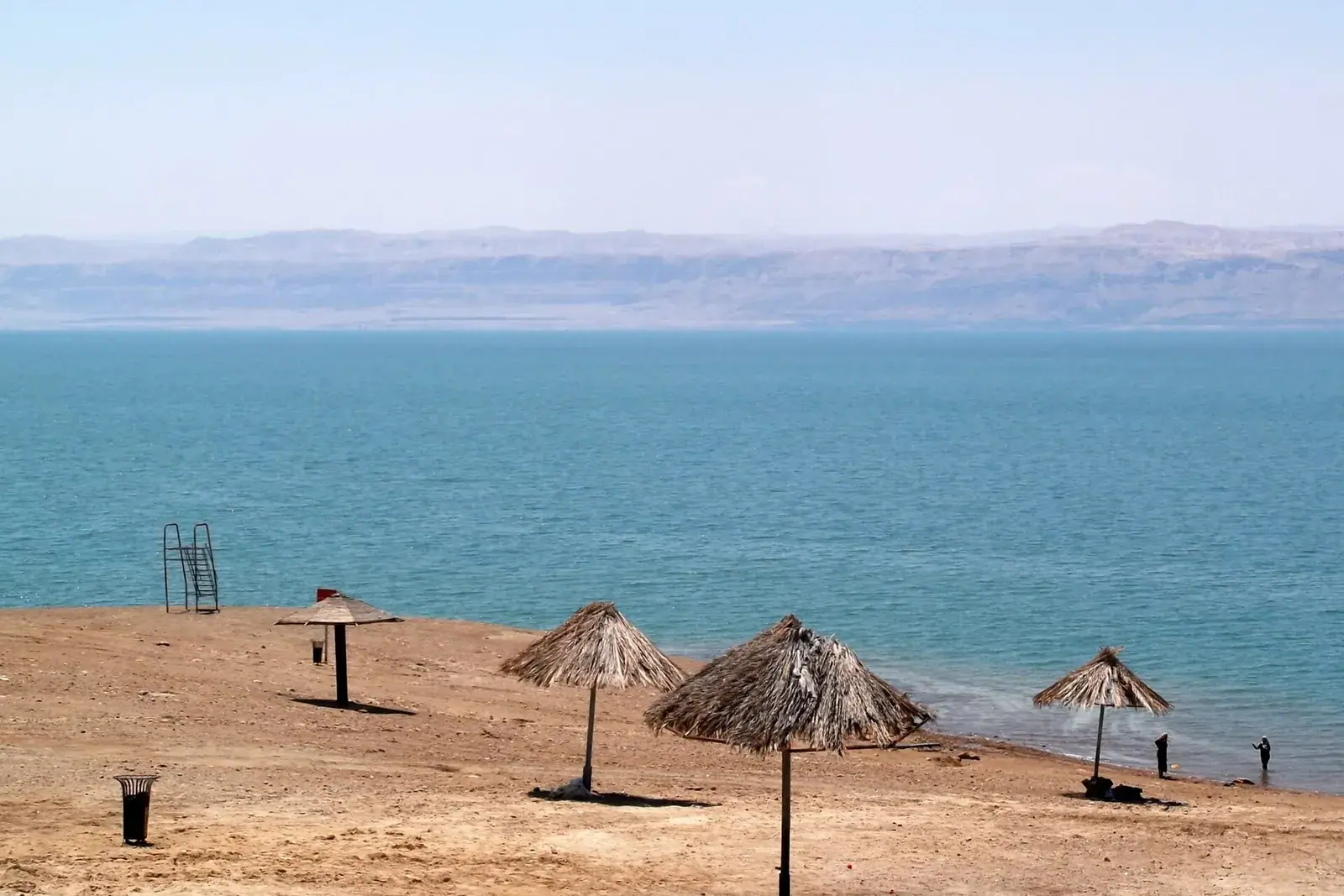
Float at the lowest point on land, about 430 metres below sea level — less than an hour from Amman
Build a day-by-day route through Azraq and the rest of Jordan with our free trip planner.