01
A Roman castrum turned Byzantine town
Founded as a Roman military camp on a frontier route tied to Trajan's Via Traiana Nova, Kastron Mefaa grew through the Byzantine era into a substantial Christian town.
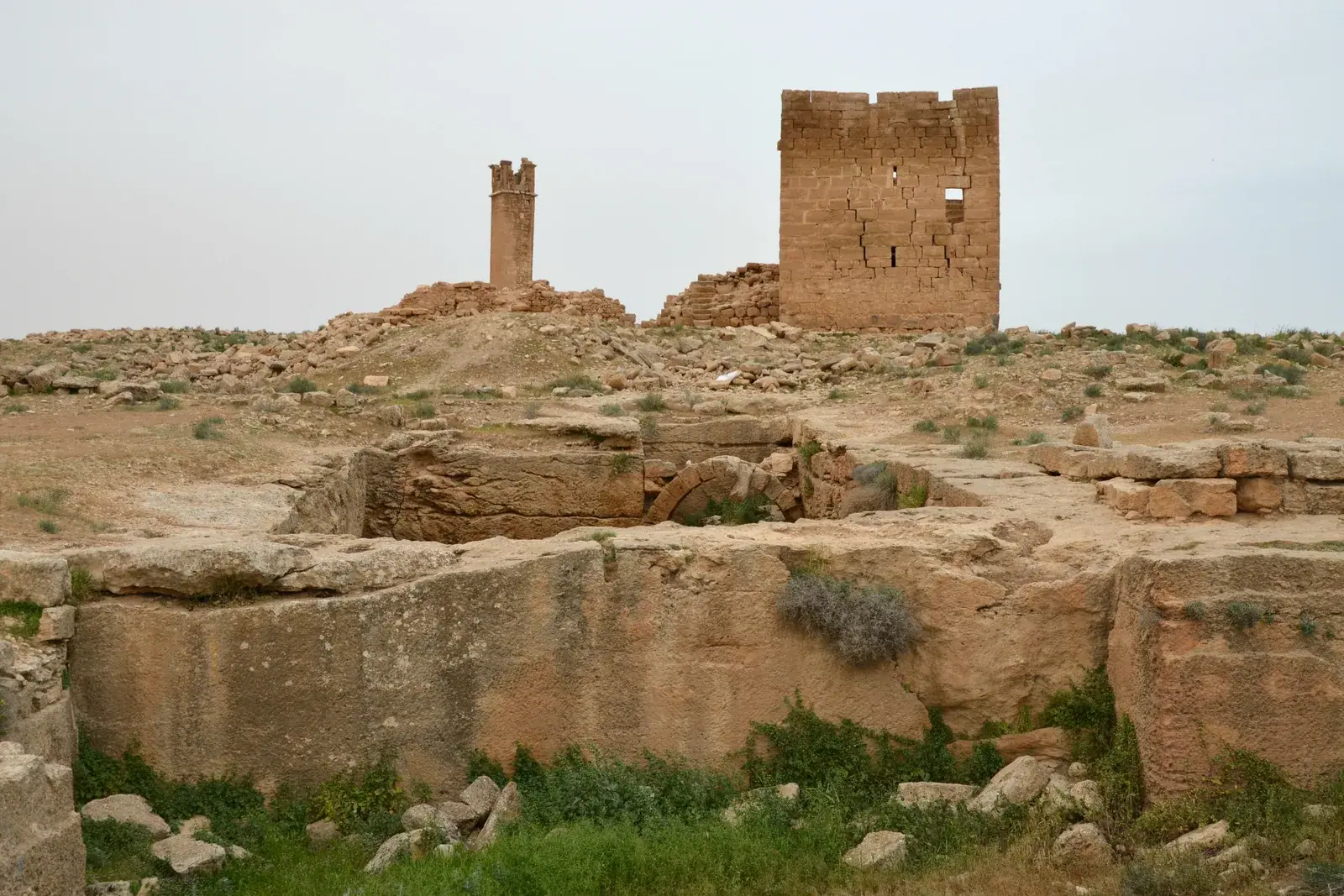
A UNESCO World Heritage Roman-to-Byzantine site, largely unexcavated, with a vast mosaic floor and a rare stylite tower
Umm ar-Rasas, known in antiquity as Kastron Mefaa, began as a Roman military camp on a desert-edge route connected to Trajan's Via Traiana Nova, and grew through the Byzantine era into an ecclesiastical town with sixteen known churches — most of the wider site still lies buried and unexcavated. UNESCO inscribed it as a World Heritage Site in 2004, and its best-known feature is the mosaic floor of the Church of St Stephen, discovered in 1986: signed by six mosaic masters and dated by Greek inscriptions to 756–785 CE, it depicts named cities of Palestine and Transjordan — including Kastron Mefaa itself, Philadelphia (Amman), and Madaba — framing a scene of ten cities in Egypt's Nile Delta. The mosaic was deliberately damaged in places during the early Islamic period, and it remains exposed to the weather today rather than enclosed in a protective structure, with flooding identified as an ongoing conservation risk. About 1.6 km north of the main ruins stands a rare stylite tower, carved with Christian symbols on all four sides and among the only surviving structures of its kind in the region — once home to a Christian ascetic who lived in isolation atop it; it's visible from a distance but there's no confirmation visitors can climb or enter it. Umm ar-Rasas sits in Amman Governorate (not Madaba, despite being closer to that town), roughly 30 minutes from Madaba and about an hour from Amman. It's included on the Jordan Pass with no extra fee for pass holders. There's little shade and no confirmed visitor centre on site, so go in the morning and bring water and sun protection.
Founded as a Roman military camp on a frontier route tied to Trajan's Via Traiana Nova, Kastron Mefaa grew through the Byzantine era into a substantial Christian town.
Multiple independent sources confirm sixteen churches at the site, though only a handful — including St Stephen's and the Church of Bishop Sergius (587 CE) — have been excavated; most of the wider site remains buried.
A vast mosaic floor, discovered in 1986 and signed by six mosaic masters, dated by Greek inscriptions to 756–785 CE — one of the largest and most detailed surviving mosaics in Jordan.
The mosaic's outer frames name real cities of Palestine and Transjordan — including Kastron Mefaa itself, Philadelphia (Amman), and Madaba — around an inner scene of ten Nile Delta cities in Egypt.
About 1.6 km north of the ruins, a standalone tower carved with Christian symbols once housed a stylite — a Christian ascetic who lived atop a pillar in isolation — among the only such structures left standing in the region.
Inscribed under criteria (i), (iv) and (vi), Umm ar-Rasas is one of Jordan's officially recognised World Heritage sites.
Much of the site remains buried under debris, with ongoing excavation led by the Studium Biblicum Franciscanum since 1986 — what's visible today is only part of the ancient town.
The St Stephen mosaic lies uncovered rather than sheltered, and flooding and earthquake risk are both documented concerns — Jordan submitted a formal state-of-conservation report to UNESCO in late 2024.
Everything you need to know before you go. Can’t find an answer? Get in touch and we’ll help.
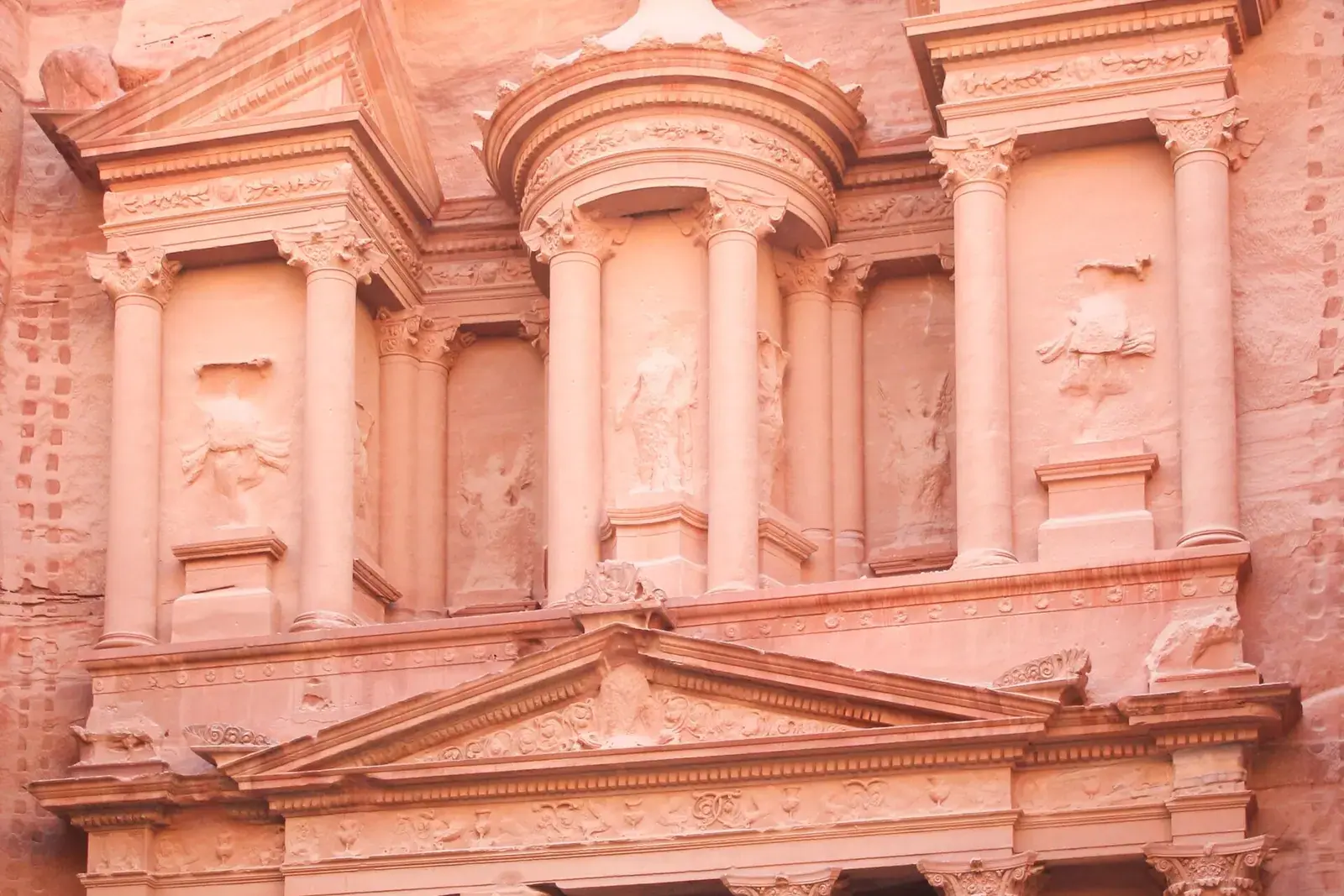
Tickets, opening hours, trails, and how to get there — everything you need to plan a day (or three) in the rose-red city
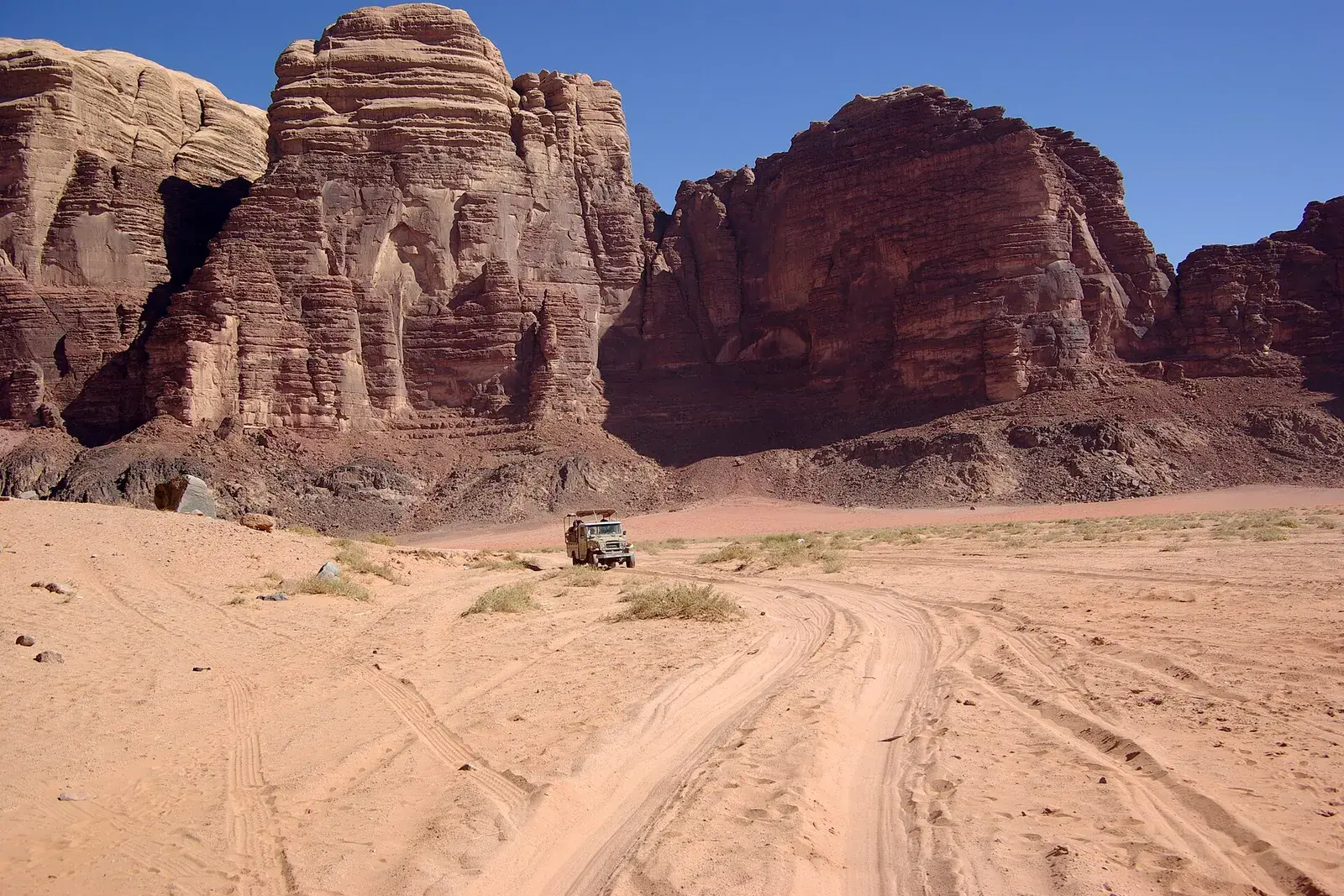
Red sand, sandstone mountains, Bedouin camps, and some of the clearest night skies in the Middle East
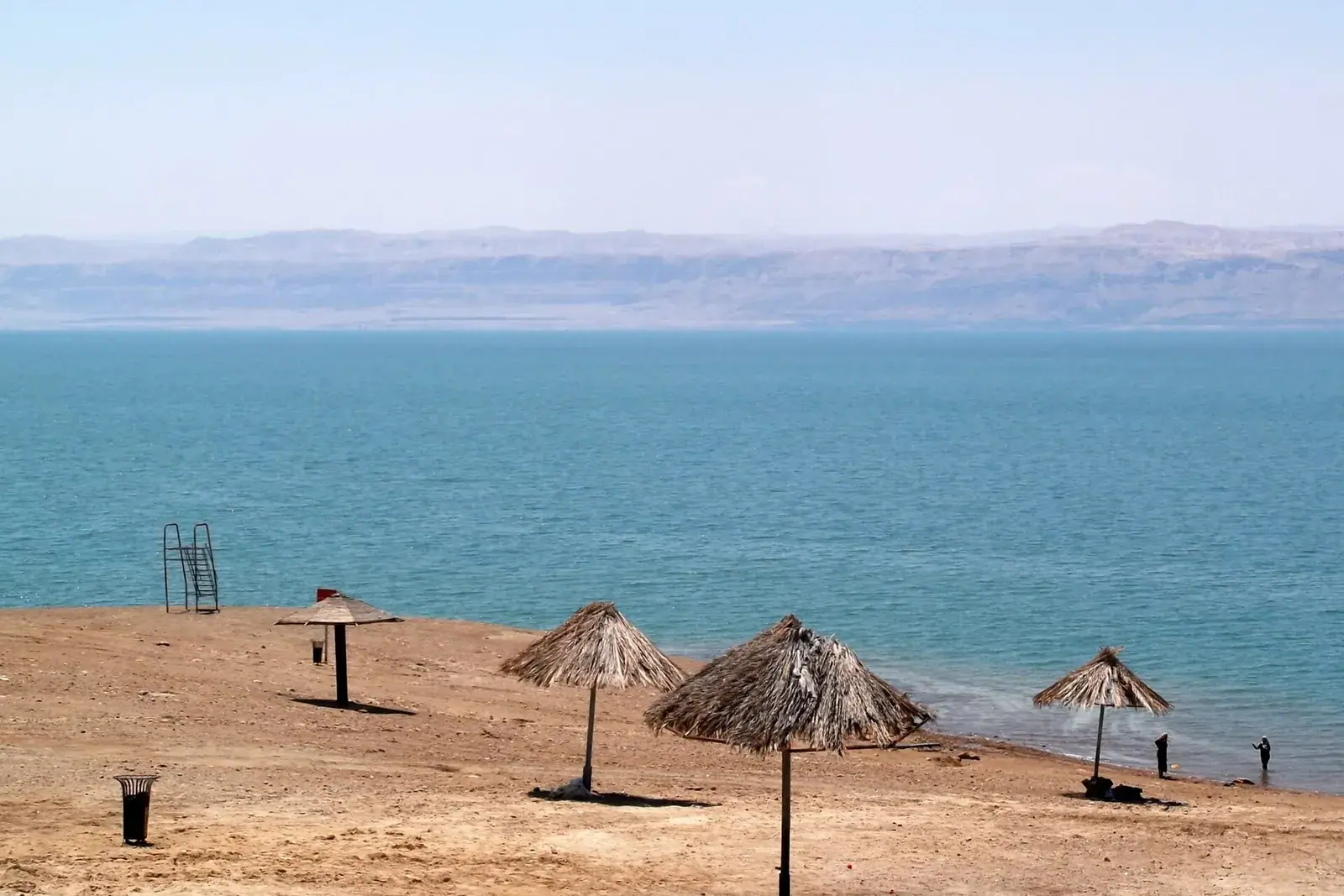
Float at the lowest point on land, about 430 metres below sea level — less than an hour from Amman
Build a day-by-day route through Umm ar-Rasas (Kastron Mefaa) and the rest of Jordan with our free trip planner.