01
A 1115 Crusader fortress
Built by Baldwin I of Jerusalem in the same campaign that captured Aqaba, as Krak de Montreal — "Royal Castle" — to control the trade and pilgrimage route between Egypt and Syria.
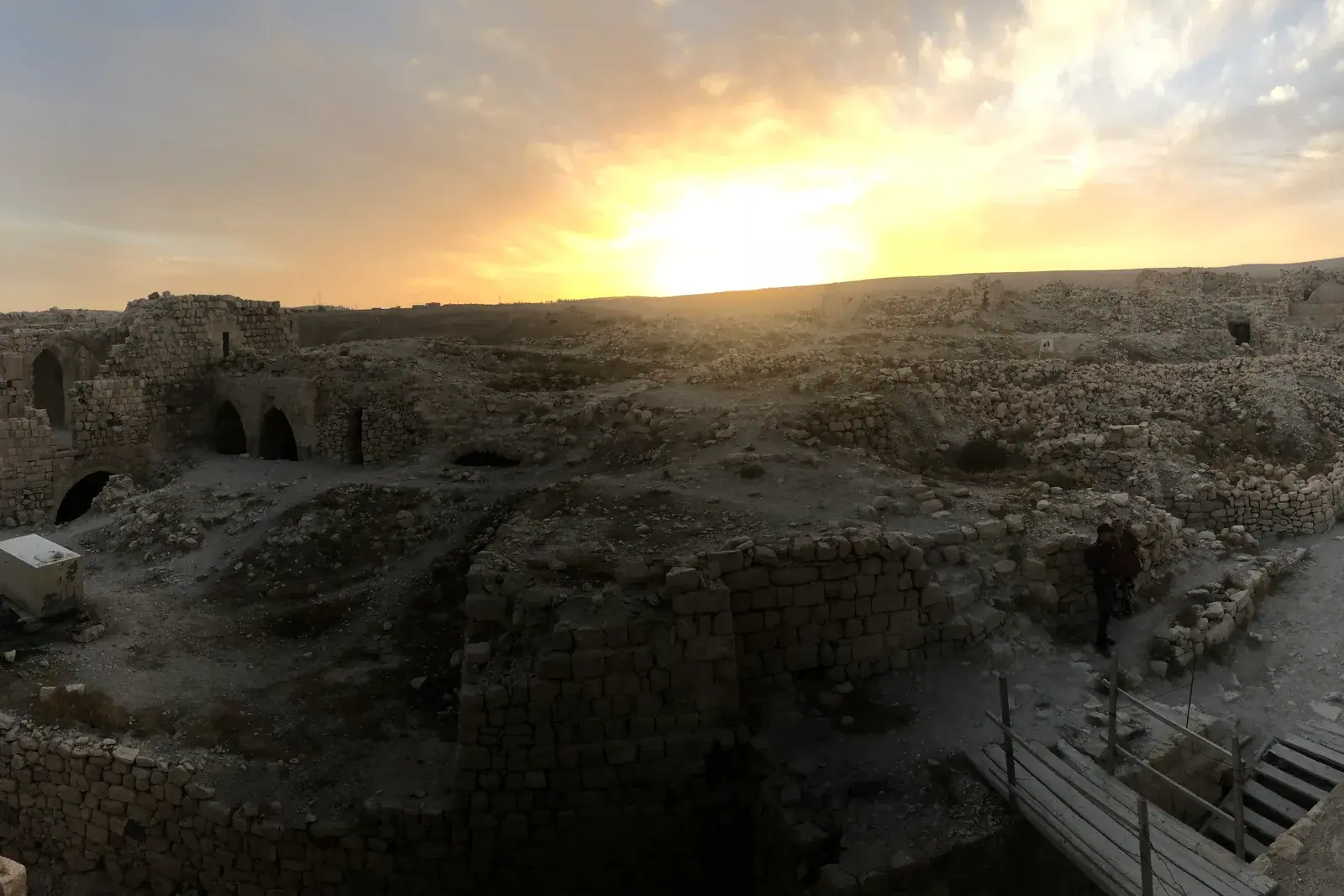
A windswept 1115 Crusader fortress on the King's Highway, with a secret rock-cut tunnel to a hidden spring
Shobak Castle — known to the Crusaders as Krak de Montreal or Mont Real ("Royal Castle") — was built in 1115 by Baldwin I of Jerusalem during the same campaign that captured Aqaba, and it dominated the trade route linking Egypt and Syria, letting its lord tax merchants and Hajj pilgrims passing below. The royal family held it directly until 1142, when it passed into the Lordship of Oultrejordain; its most notorious holder, Raynald of Châtillon, used it to raid Muslim caravans, provoking Saladin into besieging the castle from 1188 until it fell in May 1189. Saladin gave it to his brother al-Adil, and the Mamluks took it in 1261 — Sultan Lajin is credited with rebuilding its outer walls and towers, where 14th-century Arabic inscriptions are still visible today. Little of the original Crusader structure survives intact, but three walls, a curtain wall, and two chapels partially stand, including the Church of St Mary, the largest Crusader-era church in Jordan, and a lower church later converted into a Mamluk-period soap factory. The castle's best-known feature is a long, steeply sloping tunnel cut through the rock during the Crusader period, leading from inside the fortress down to the 'Ain al-Raghaya spring at the base of the hill — a way for defenders to reach water without stepping outside the walls. Shobak sits on the King's Highway roughly 45 minutes from Petra and 30 minutes from Dana Biosphere Reserve, making it a natural stop between the two; it's included on the Jordan Pass, and far less crowded than Jordan's bigger-name castles.
Built by Baldwin I of Jerusalem in the same campaign that captured Aqaba, as Krak de Montreal — "Royal Castle" — to control the trade and pilgrimage route between Egypt and Syria.
The castle's most notorious lord used it to raid Muslim caravans passing below, provoking Saladin's invasion and, eventually, Jerusalem's fall after the Battle of Hattin.
Saladin besieged the castle from 1188; it finally fell in May 1189, reportedly after the garrison ran out of food — sources disagree on the exact siege length, so treat the fall date as the solid fact.
After passing to Saladin's brother al-Adil and later the Mamluks, Sultan Lajin rebuilt the outer walls and towers; 14th-century Arabic inscriptions from this period are still visible on them today.
The largest Crusader-era church in Jordan, consecrated in 1118, with a second, well-preserved "lower church" later converted into a Mamluk-period soap factory.
A long, steeply sloping tunnel cut through the rock leads from inside the fortress down to a spring at the base of the hill, letting defenders fetch water without exposure to attackers outside the walls.
Unlike Jordan's better-known castles, Shobak sees relatively few visitors, so it's easy to explore the ramparts and towers without a crowd.
Roughly 45 minutes from Petra and 30 from Dana Biosphere Reserve, Shobak fits naturally into a King's Highway itinerary between the two.
Everything you need to know before you go. Can’t find an answer? Get in touch and we’ll help.
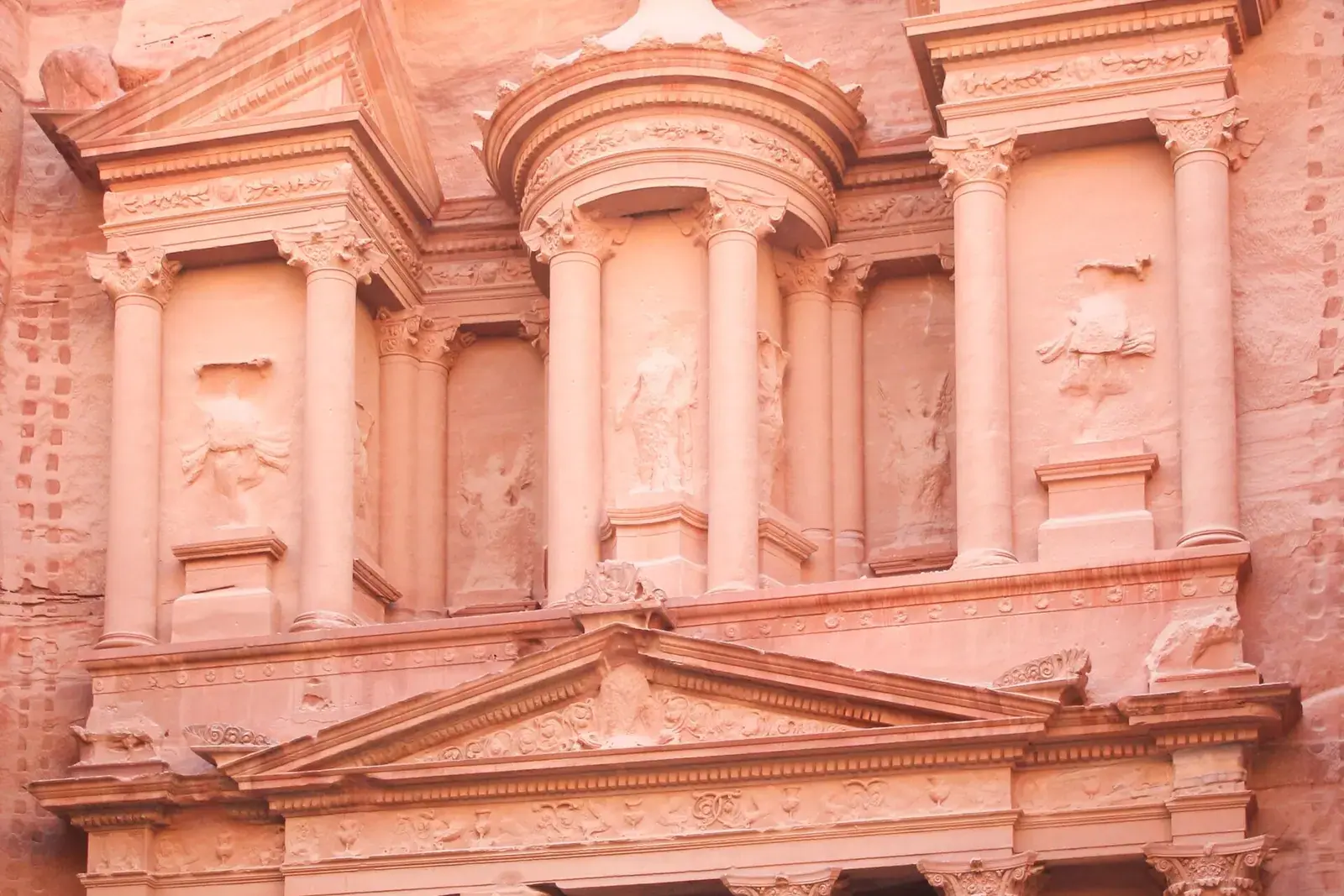
Tickets, opening hours, trails, and how to get there — everything you need to plan a day (or three) in the rose-red city
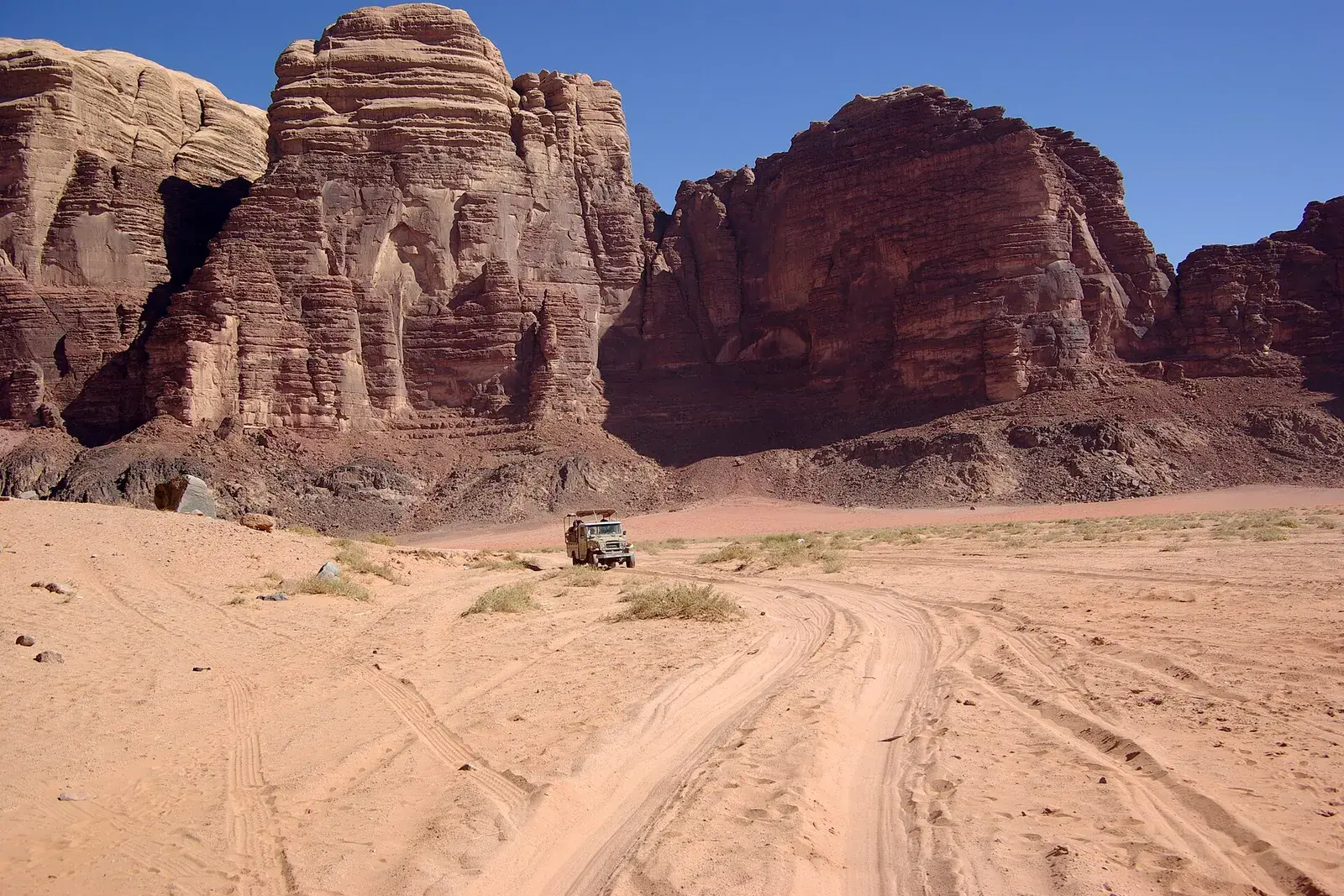
Red sand, sandstone mountains, Bedouin camps, and some of the clearest night skies in the Middle East
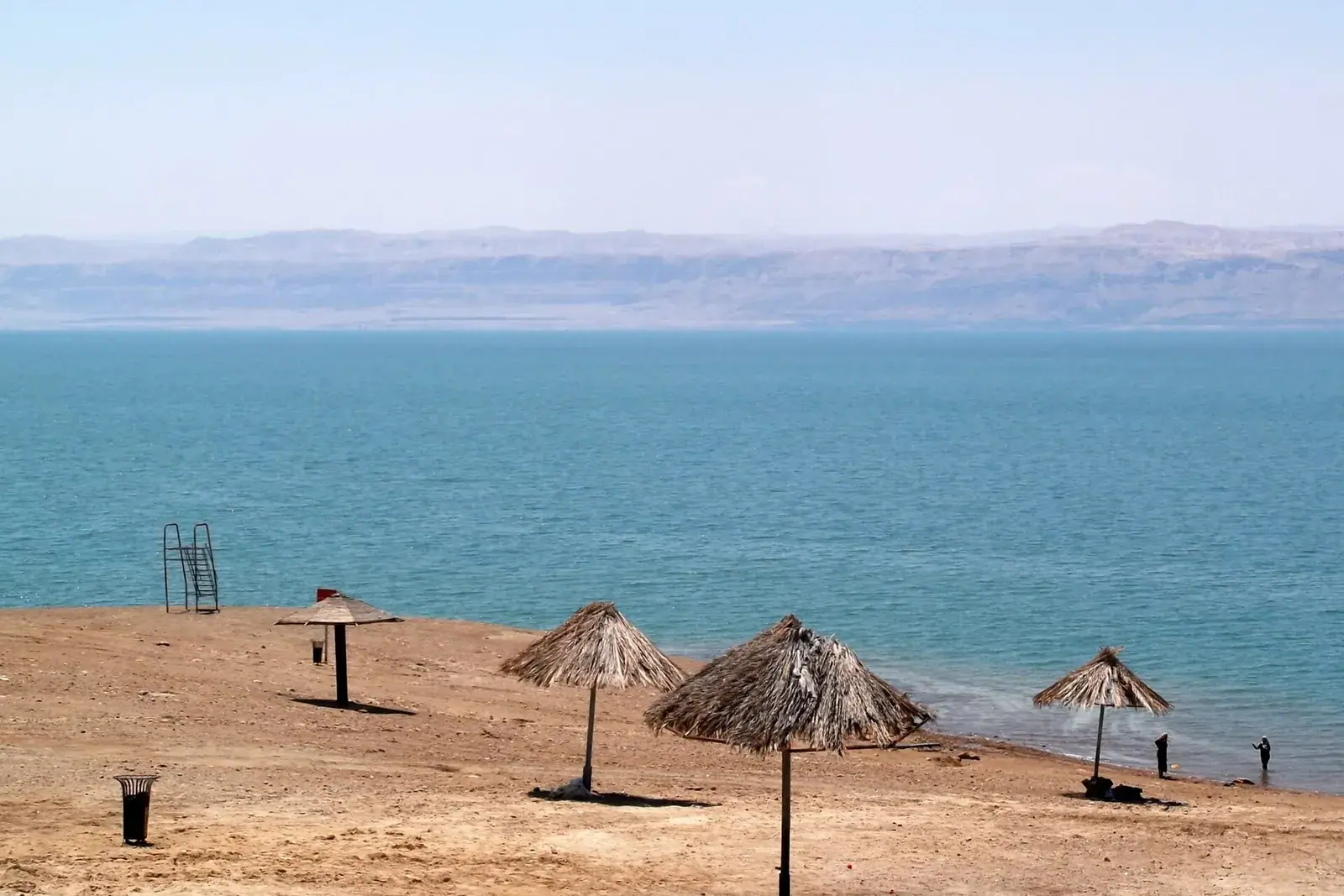
Float at the lowest point on land, about 430 metres below sea level — less than an hour from Amman
Build a day-by-day route through Shobak Castle (Montreal) and the rest of Jordan with our free trip planner.